
-
Table of Contents
The Growing Importance of Data Literacy in Everyday Life

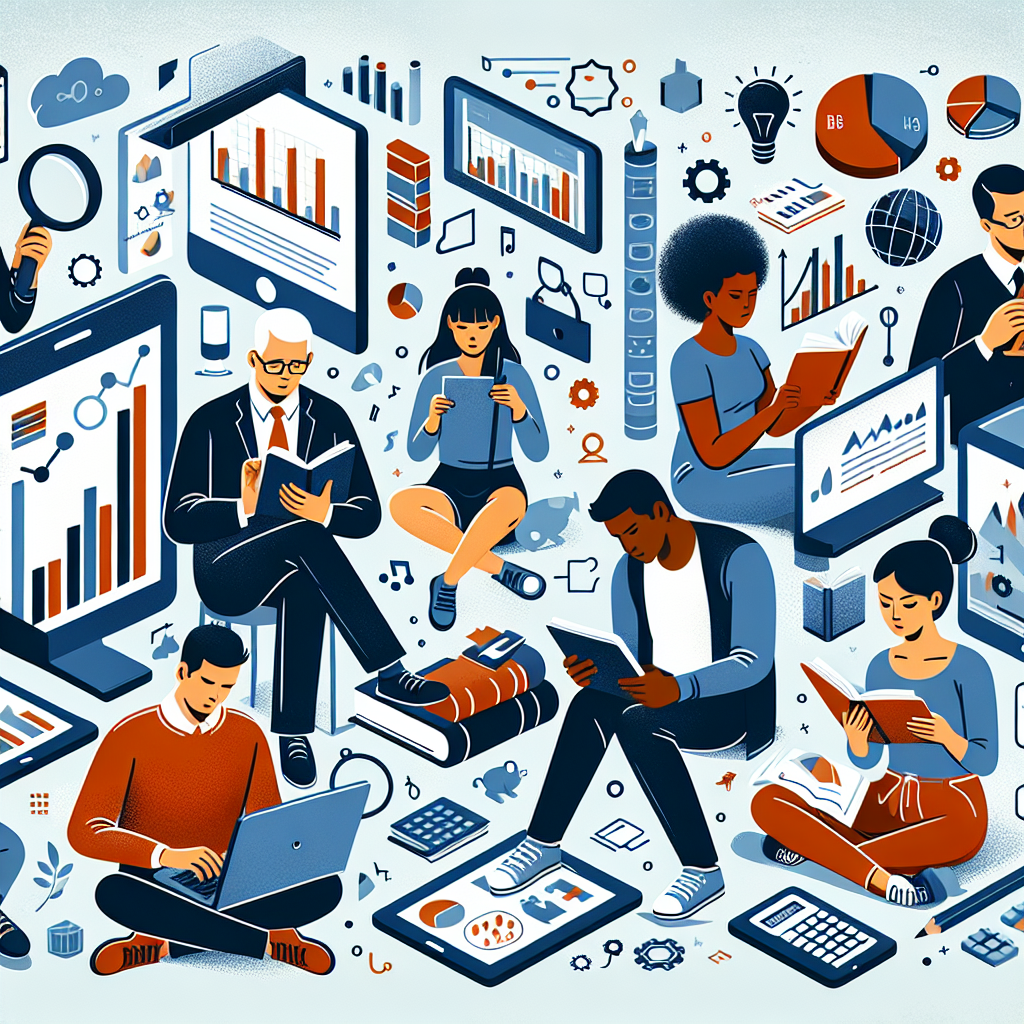
Data is all around us, from the moment we wake up and check our phones to the time we go to bed and track our sleep. In today’s digital age, data has become an integral part of our daily lives. From personal health tracking apps to online shopping habits, data plays a crucial role in shaping our decisions and experiences. As such, it has become increasingly important for individuals to have a basic understanding of data literacy.
What is Data Literacy?
Data literacy refers to the ability to read, understand, analyze and communicate with data effectively. It involves not only being able to interpret numbers but also having critical thinking skills when it comes to making sense of complex datasets. In simpler terms, being data literate means having the necessary skills and knowledge required to make informed decisions based on data.
Why is Data Literacy Important?
- Making Better Decisions: With access to vast amounts of information through various sources like social media or news outlets, it can be challenging for individuals to distinguish between reliable information and fake news. Being data literate allows one to critically evaluate the validity of information presented before making any decisions based on that information.
- Career Advancement: The demand for professionals who possess strong analytical skills is increasing across industries as organizations continue collecting large amounts of data. Having a solid foundation in data literacy can open doors for career opportunities in fields such as marketing analytics, business intelligence or even healthcare.
- Better Understanding of Current Events: We are constantly bombarded with statistics and figures about current events by news outlets or social media platforms. Being able to interpret this information accurately helps individuals gain a better understanding of the world around them and make informed opinions.
- Personal Finance Management: In today’s digital world, our financial transactions are often tracked and recorded. Having data literacy skills allows individuals to analyze their spending habits, track their budget and make necessary adjustments for better financial management.
- Making Use of Personal Data: With the rise of wearable technology and health tracking apps, individuals now have access to a wealth of personal data. Being data literate can help one understand this information and use it to improve their overall well-being.
The Role of Schools in Promoting Data Literacy
In recent years, there has been a push towards incorporating data literacy into school curriculums. This is because schools play a crucial role in shaping young minds and preparing them for the future workforce. By introducing students to basic concepts such as interpreting graphs or analyzing trends, they are equipping them with essential skills that will be useful in any career path they choose.
Schools also provide an opportunity for students to learn about ethical considerations when dealing with data. As more organizations collect personal information from individuals, it is vital for students to understand how this information is being used and what rights they have regarding their own data privacy.
Author’s Note:
I believe that promoting data literacy at an early age is crucial in today’s society where we are bombarded with vast amounts of information every day. It not only prepares individuals for future job opportunities but also empowers them to make informed decisions based on reliable evidence rather than assumptions or biases.
Tips on Improving Your Data Literacy Skills
- Familiarize Yourself with Basic Statistical Concepts: Understanding terms like mean, median, and standard deviation can go a long way in helping you make sense of data.
- Practice Reading Graphs and Charts: Graphs and charts are visual representations of data that help us understand patterns or trends. Familiarize yourself with different types of graphs such as bar graphs, line graphs, and pie charts to improve your ability to interpret them accurately.
- Stay Informed about Current Events: Follow reputable news sources and critically evaluate the information presented. Look for supporting evidence or data to back up claims made by news outlets.
- Take Online Courses or Workshops: There are plenty of online resources available for individuals looking to improve their data literacy skills. Platforms like Coursera, Udemy, or LinkedIn Learning offer courses on topics ranging from basic statistics to advanced data analysis techniques.
In Conclusion
Data is an integral part of our everyday lives, whether we realize it or not. Being able to navigate through vast amounts of information effectively is becoming increasingly important in today’s digital age. By promoting data literacy at an early age and continuously improving our own skills, we can become more informed individuals who make better decisions based on reliable evidence rather than assumptions or biases.
Data literacy is not just a skill set required for certain job roles; it is a necessary life skill that empowers individuals in all aspects of their lives. So let’s embrace the growing importance of data literacy in everyday life and strive towards becoming more informed citizens who can make a positive impact on society through critical thinking and decision-making based on accurate information.