
-
Table of Contents
- How Mindfulness is Incorporated into Military Training Programs
- The Benefits of Mindfulness for Military Personnel
- Mindfulness Techniques Used in Military Training Programs
- Meditation:
- Breathing Exercises:
- Sensory Awareness Activities:
- Author’s Note
- Challenges and Criticisms
- Cultural Differences:
- Skepticism from Some Military Personnel:
- Lack of Time/Resources:
- In Conclusion
How Mindfulness is Incorporated into Military Training Programs
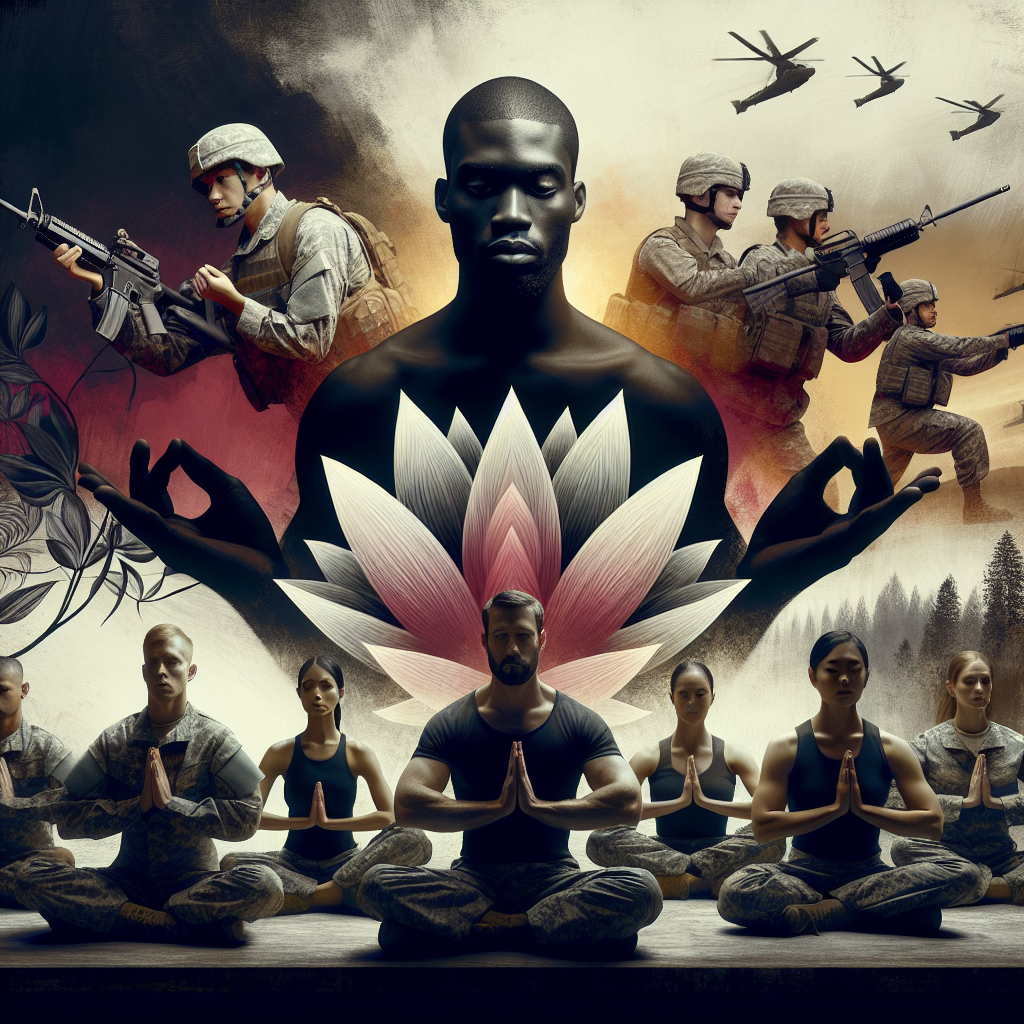
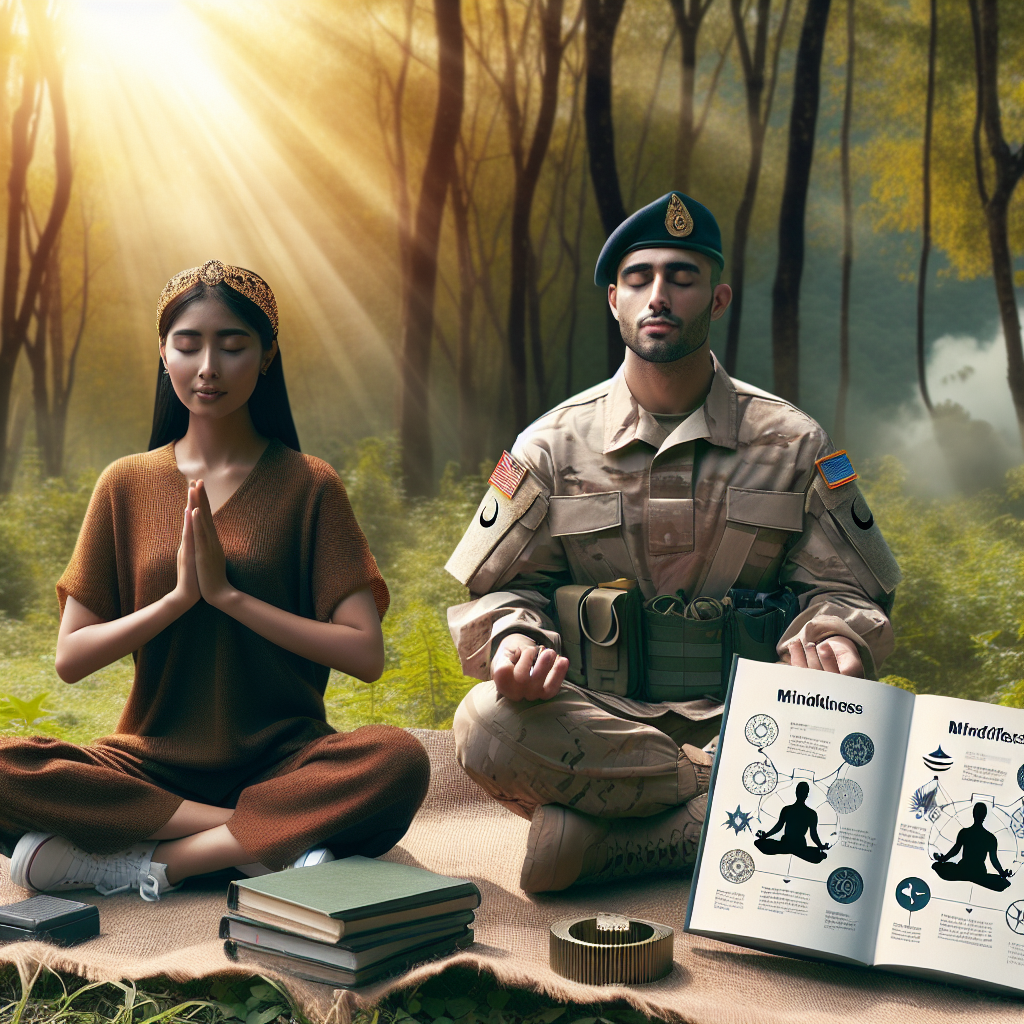
Mindfulness, the practice of being fully present and aware in the moment, has gained widespread popularity in recent years. Originally rooted in Buddhist teachings, mindfulness has been adapted and incorporated into various fields such as healthcare, education, and even corporate settings. But one area where mindfulness may come as a surprise to some is its incorporation into military training programs.
The Benefits of Mindfulness for Military Personnel
- Improved Mental Resilience: One of the main reasons why mindfulness has become an integral part of military training programs is because it helps improve mental resilience among soldiers. The nature of their job can be extremely stressful and challenging both physically and mentally. By practicing mindfulness techniques, soldiers are better equipped to handle high-stress situations with more clarity and focus.
- Better Decision-Making Skills: In addition to improving mental resilience, mindfulness also enhances decision-making skills among military personnel. Through regular practice, individuals learn how to pause before reacting impulsively and make more calculated decisions based on the present moment rather than past experiences or future worries.
- Increase Self-Awareness: Being mindful means being fully aware of one’s thoughts, emotions, sensations, and surroundings without judgment or attachment. This level of self-awareness can be beneficial for military personnel who need to be highly attuned to their own physical state as well as that of others around them during combat situations.
- Enhanced Focus: The ability to maintain focus amidst chaos is crucial for any soldier on duty. With consistent practice through techniques like meditation or breathing exercises, soldiers develop stronger concentration skills which can help them stay focused during critical missions.
- Better Stress Management: It’s no secret that stress levels are high in the military environment. Mindfulness provides soldiers with the tools to manage stress more effectively, reducing the risk of burnout and improving overall well-being.
- Improved Teamwork: Military personnel are trained to work together as a team, and mindfulness can enhance this aspect even further. By being fully present in the moment and actively listening to others without judgment, individuals can improve their communication skills and build stronger relationships within their unit.
Mindfulness Techniques Used in Military Training Programs
The incorporation of mindfulness into military training programs may vary depending on each branch’s specific needs and practices. However, some common techniques used include:
Meditation:
This is one of the most well-known forms of mindfulness practice that involves focusing on one’s breath or a particular object while maintaining awareness of thoughts passing through the mind without engaging with them. Meditation has been found to be effective in reducing stress levels among soldiers and enhancing cognitive abilities such as attention control.
Breathing Exercises:
Incorporating breathing exercises into military training allows for better regulation of emotions during high-stress situations. Soldiers are taught how to use deep belly breathing techniques to calm themselves down when feeling overwhelmed or anxious.
Sensory Awareness Activities:
These activities involve using all five senses (sight, sound, touch, taste, smell) to bring attention back to the present moment. This helps trainees become more aware of their surroundings and focus on what is happening right now rather than getting lost in thoughts about past experiences or future worries.
Author’s Note
I had always associated mindfulness with peaceful settings like yoga studios or meditation retreats until I learned about its incorporation into military training programs. It just goes to show how versatile this practice truly is!
Challenges and Criticisms
While the benefits of mindfulness in military training programs are undeniable, there have been some challenges and criticisms surrounding its implementation.
Cultural Differences:
Mindfulness has roots in Eastern philosophy, which may not align with the beliefs of some soldiers. There is a concern that incorporating mindfulness into military training may be seen as promoting a specific religion or belief system, which goes against the separation of church and state principle.
Skepticism from Some Military Personnel:
Some individuals within the military community may view mindfulness as “soft” or “fluffy,” making it challenging to gain buy-in from all members. This skepticism can hinder successful implementation and adoption of mindfulness techniques.
Lack of Time/Resources:
The demanding nature of military training means that adding additional activities like meditation or breathing exercises may seem impractical. In some cases, resources such as time and space for these practices may also be limited.
In Conclusion
Mindfulness has proven to be a valuable tool for improving mental resilience, decision-making skills, self-awareness, focus, stress management, and teamwork among military personnel. While there are certainly challenges to overcome when incorporating this practice into training programs, its potential benefits make it worth exploring further.