
-
Table of Contents
How climate migration is reshaping cultural identities
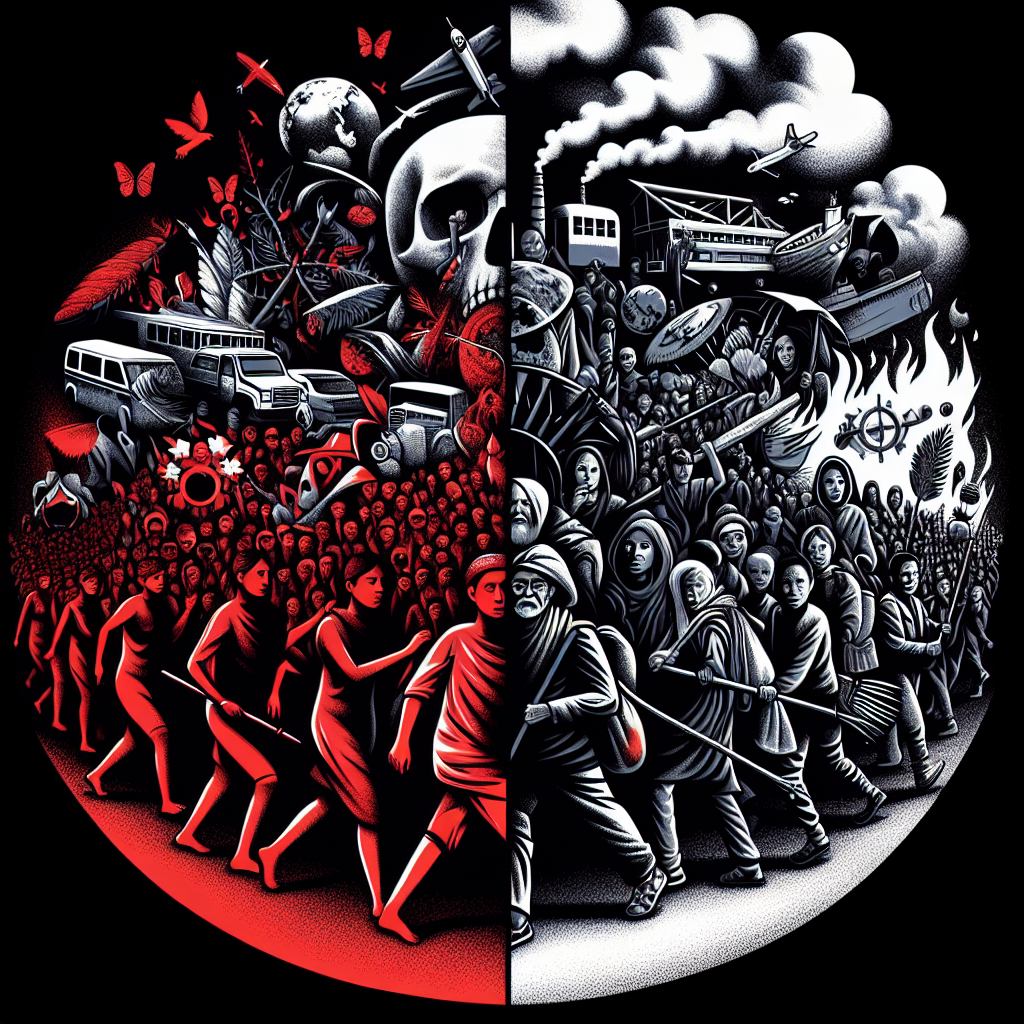
The phenomenon of climate migration has emerged as one of the most pressing issues of our time, with millions forced to leave their homes due to environmental changes. As rising sea levels, extreme weather events, and shifting agricultural patterns disrupt communities worldwide, individuals are not just relocating; they are also experiencing profound transformations in their cultural identities. This article explores how climate-induced displacement is reshaping these identities and the implications for both migrants and host communities.
The Drivers of Climate Migration
Climate migration occurs when people move from their original locations primarily due to environmental factors. The key drivers include:
- Rising Sea Levels: Coastal areas face inundation that forces residents inland.
- Extreme Weather Events: Hurricanes, floods, and droughts can devastate local economies.
- Agricultural Disruption: Changes in rainfall patterns affect food security.
- Biodiversity Loss: Degradation of ecosystems impacts livelihoods reliant on natural resources.
- Poverty Amplification: Vulnerable populations find it increasingly difficult to cope with economic shocks caused by climate change.
Cultural Identity: A Fluid Concept
Cultural identity refers to the sense of belonging that individuals feel towards a particular group or community based on shared characteristics such as language, traditions, values, and beliefs. For many displaced by climate change, this identity becomes fluid as they navigate new environments while trying to retain elements from their past. In some cases, this leads to a hybridization of cultures where traditional practices merge with those encountered in new locales.
The Impact on Migrants’ Cultural Identities
Migrants often experience significant shifts in their cultural identities during relocation processes driven by climatic disruptions. These changes manifest through various channels:
- Diminished Connection to Ancestral Lands: Leaving behind ancestral homes can create feelings of loss among migrants who once identified strongly with specific geographical regions.
- Cultural Adaptation vs Preservation: While adapting to new cultures may lead some individuals toward assimilation into host societies—often at the expense of their original customs—others actively seek ways to preserve aspects like language or religious practices.
- Narratives Reconstructed Through Experience: Personal stories evolve post-migration; experiences shape how migrants view themselves within broader societal contexts—a shift that influences everything from social interactions down through political engagement.
A Sense Of Community Amidst Change
An essential aspect influencing migrant integration involves forming new connections within host communities. Collaborative efforts between incoming populations and locals help build solidarity amidst diversity while addressing common challenges associated with climate-related hardships such as resource scarcity or housing shortages.
As partaking parties share knowledge regarding sustainable practices tailored for changing climates (e.g., urban gardening techniques), bonds strengthen across different backgrounds fostering mutual respect over time.
However challenges remain prevalent particularly surrounding xenophobia which sometimes emerges alongside rapid demographic shifts exacerbated further by competition over limited resources leading tensions if left unaddressed.
In addition collaborative initiatives promoting intercultural dialogue serve critical roles helping bridge gaps facilitating understanding about unique histories represented within diverse groups thus nurturing empathy ultimately benefitting all involved stakeholders!
The Role Of Host Communities In Shaping New Identities
This brings us back around full circle emphasizing importance placed upon receiving nations recognizing contributions made via immigrant labor force integrating them positively contributing development endeavors thereby cultivating inclusive atmospheres rather than exclusionary ones!
Several strategies could be employed here including:
- Create platforms allowing open discussions showcasing varied perspectives encouraging exchange ideas fostering relationships between established residents newcomers alike;
- Sponsor workshops celebrating different heritages arts performances cuisine etc.; enhancing appreciation variety present locally;
- Implement policies ensuring access basic services education healthcare regardless immigration status empowering newcomers thrive beyond survival mode;
- Invest infrastructure projects benefiting entire populace improving living conditions irrespective origins strengthening communal ties overall.
Authors note:
As someone deeply invested in exploring intersections between environment culture I have witnessed firsthand transformative effects experienced throughout journeys undertaken refugees impacted global warming phenomena personally connecting narratives emerging resilience adaptability demonstrated humanity confronting adversities posed ahead.h4 class= “highlight”>Shifting Perspectives Towards Climate Migration
Although much focus tends emphasize negatives inherent dislocation movements prompted adverse consequences stemming ecological collapse there remains room optimism viewing situation opportunity cultivate more resilient future interconnected world forged together diverse influences perspectives offer insights previously unexplored enriching tapestry human existence.Moreover adopting holistic frameworks encompassing policy responses incorporating voices affected directly encourages proactive solutions aimed mitigating crises whilst simultaneously uplifting marginalized populations combating inequalities persisting globally!
Ultimately understanding complexities intertwined relationship dynamic interplay nature migration allows society address root causes effectively paving way equitable paths forward safeguarding rights dignities every individual irrespective background location drawn circumstances shaping lives lived today tomorrow.