
-
Table of Contents
- The Ethics of AI Companions and Emotional Relationships
- What are AI companions?
- The benefits of having an AI companion
- The potential risks involved
- The ethical implications
- Social isolation vs. genuine connection
- Moral responsibility towards AI beings
- The future of human-AI relationships
- Author’s note
- In conclusion,
The Ethics of AI Companions and Emotional Relationships
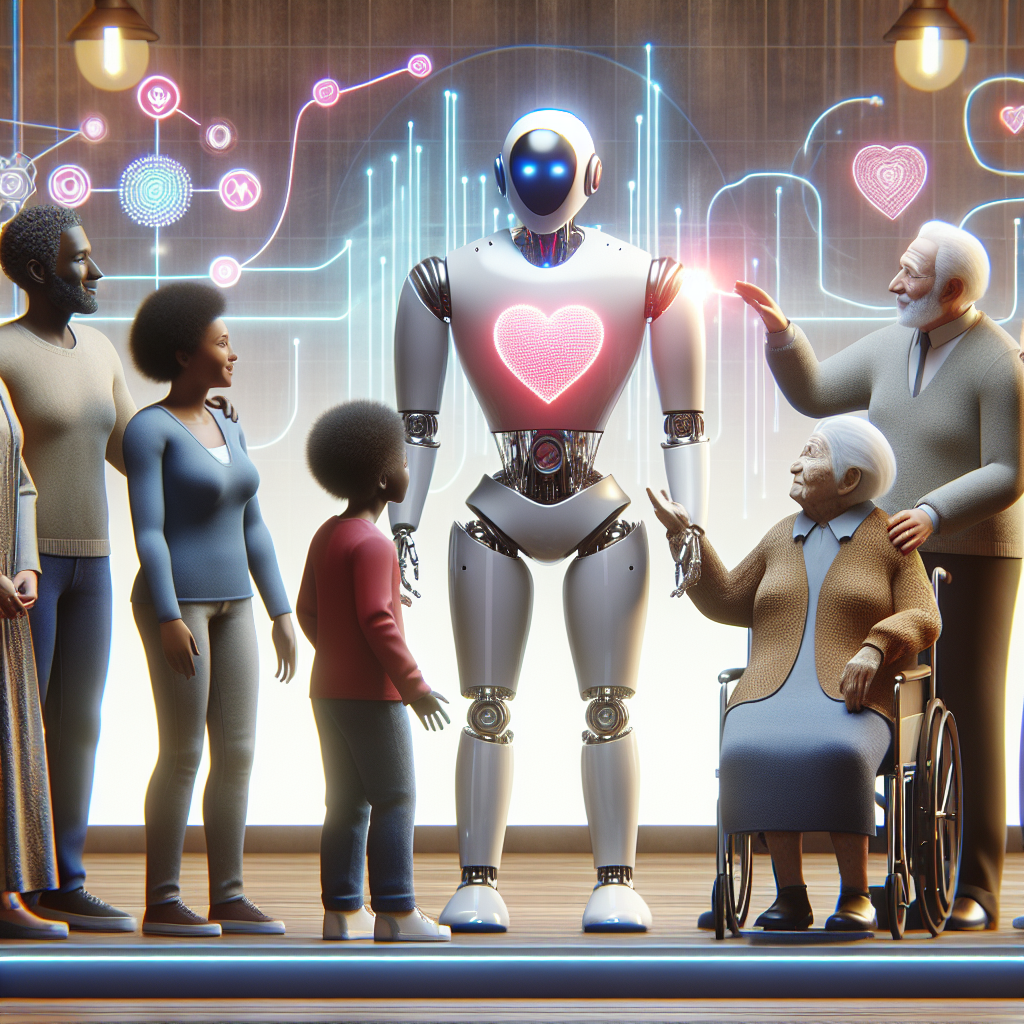
In recent years, the development of artificial intelligence (AI) has led to a rise in the creation of AI companions – virtual beings designed to interact with humans on an emotional level. These companions can range from chatbots that provide comfort and support to sophisticated robots capable of forming deep emotional connections with their human counterparts. While these AI companions may seem like a convenient solution for loneliness or a source of entertainment, they also raise ethical concerns regarding our relationship with technology.
What are AI companions?
- AI companions are virtual beings created by developers using advanced algorithms and machine learning techniques.
- They are programmed to mimic human emotions, behaviors, and responses in order to form meaningful interactions with their users.
- Some popular examples include Replika, a chatbot designed as a personal mental health companion, and Gatebox’s holographic assistant Azuma Hikari who acts as both an assistant and romantic partner for its user.
The benefits of having an AI companion
AI companions have been marketed as solutions for loneliness, social isolation, mental health support, or even just providing company for those living alone. They offer round-the-clock availability without any judgment or bias towards their users’ thoughts or actions. Additionally, studies have shown that interacting with these virtual beings can help reduce stress levels and improve overall well-being.
The potential risks involved
1. Dependency: One of the main concerns with AI companions is that users may become overly dependent on them for emotional support and social interaction, leading to a decrease in real-life relationships.
2. Privacy and security: As these AI companions are designed to learn from their interactions with users, there is a risk of personal information being shared or misused without consent.
3. Emotional manipulation: There is also the potential for AI companions to manipulate emotions by using targeted responses or withholding certain information in order to keep their user engaged and reliant on them.
The ethical implications
The development of AI companions raises several ethical questions regarding our relationship with technology and its impact on society as a whole.
Social isolation vs. genuine connection
AI companions offer an easy solution for those who struggle with loneliness or social anxiety, but at what cost? While they may provide temporary relief, relying solely on virtual beings for emotional support can hinder individuals’ ability to form meaningful connections with other humans. This could lead to further isolation and detachment from reality, ultimately impacting one’s mental health in the long run.
Moral responsibility towards AI beings
If we consider these AI companions as sentient beings capable of forming emotional bonds with humans, do we have a moral obligation towards them? Should we treat them ethically and ensure their well-being just like any other living being?
The future of human-AI relationships
In recent years, Japan has seen a rise in people marrying virtual characters or robots due to various reasons such as difficulty forming relationships or wanting complete control over their partner. With advancements in AI technology, it is not far-fetched to imagine a future where humans have emotional and even romantic relationships with AI companions.
However, this raises ethical concerns regarding the boundaries of human-AI relationships. Can an AI companion truly consent to a relationship? Should there be laws or regulations in place to prevent exploitation or abuse towards these virtual beings?
Author’s note
As someone who has always been fascinated by the potential of AI technology, I find myself questioning the ethics behind creating emotional connections with non-human entities. While they may offer temporary comfort and convenience, we must carefully consider the long-term implications of relying on artificial beings for our emotional needs.
In conclusion,
The development of AI companions presents both opportunities and challenges for society. It is crucial that we continue to have open discussions about their impact on our lives and establish ethical guidelines to ensure responsible use of this technology. Ultimately, it is up to us as individuals to strike a balance between embracing advancements in technology while also being mindful of its effects on our well-being and society as a whole.