
-
Table of Contents
How Desert Agriculture is Revolutionizing Global Food Supply
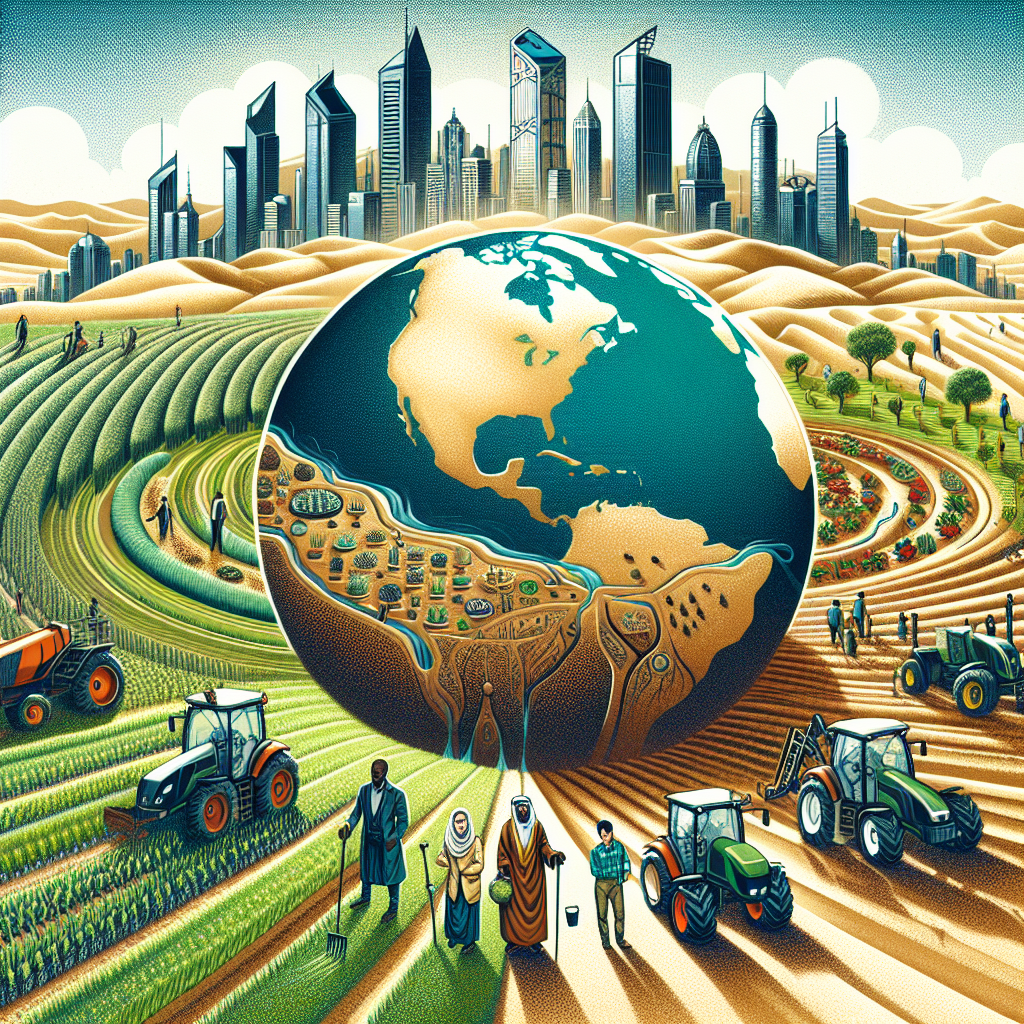
The world’s population is expected to reach 9.7 billion by 2050, and with it comes the challenge of feeding a growing number of people. However, as our population increases, so does the demand for resources such as water and arable land. This has led to an urgent need for alternative methods of agriculture that can sustainably produce food without depleting our natural resources.
The Rise of Desert Agriculture
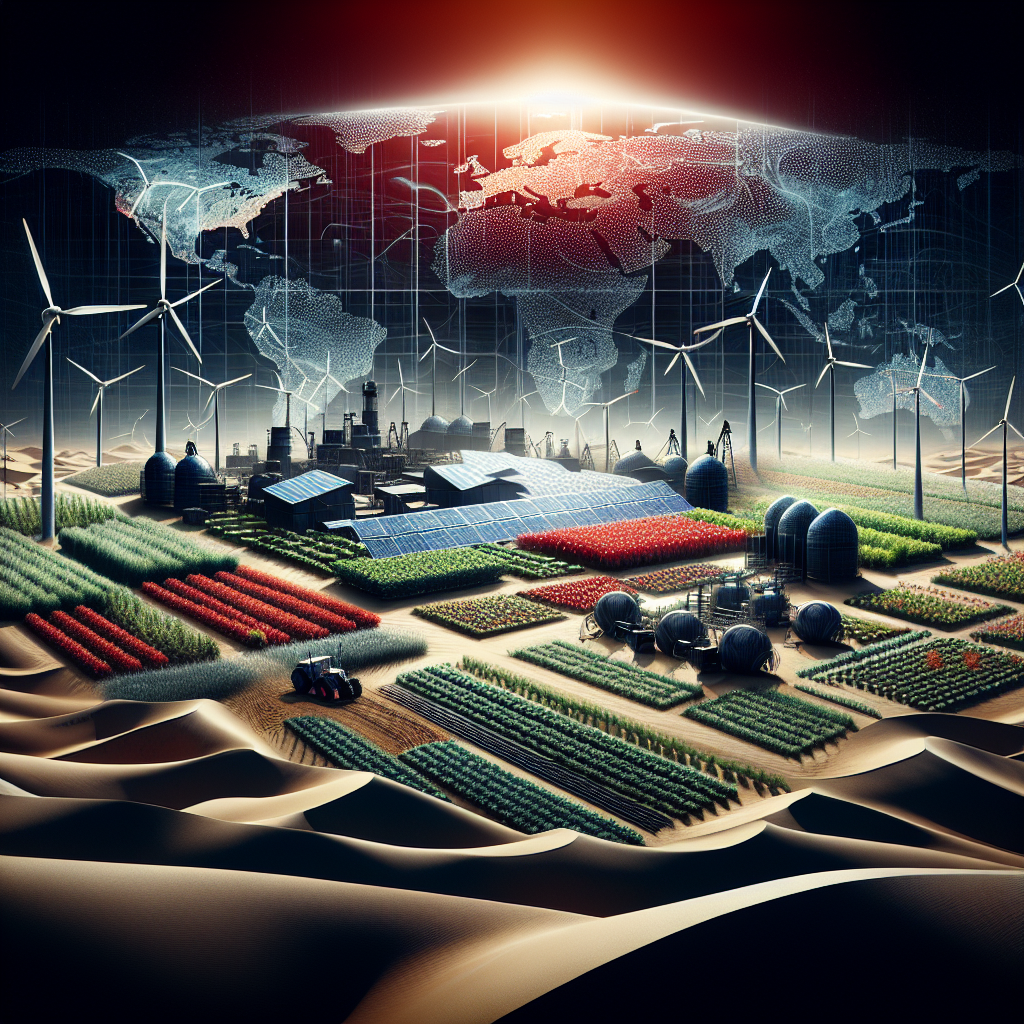
In recent years, there has been a surge in interest in desert agriculture – the practice of cultivating crops in arid regions where traditional farming methods are not feasible due to lack of water and fertile soil. With advancements in technology and techniques, farmers are now able to grow crops even in the most challenging environments.
If you’re wondering how this seemingly impossible feat is achieved, here are some key factors that have contributed to the success of desert agriculture:
- Drip Irrigation: Traditional irrigation systems involve flooding fields with large amounts of water which leads to significant wastage. In contrast, drip irrigation delivers small amounts directly to plant roots through a network of tubes or pipes. This method uses up to 50% less water than conventional irrigation methods while still providing enough moisture for plants’ growth.
- Solar-Powered Desalination: Water scarcity is one major hurdle when it comes to farming in deserts. However, solar-powered desalination plants have made it possible for farmers to convert seawater into freshwater using renewable energy sources like sunlight.
- Hydroponics: Hydroponic systems allow plants to grow without soil by providing all necessary nutrients through a nutrient-rich solution instead. As these systems use significantly less water than traditional farming methods, they are ideal for desert agriculture.
- Greenhouses: Greenhouses provide a controlled environment for plants to grow in. They can shield crops from harsh weather conditions and pests while also reducing water usage by up to 90% compared to open-field cultivation.
The Impact of Desert Agriculture on Global Food Supply
The rise of desert agriculture has had a significant impact on global food supply, and here’s how:
- Increase in Crop Production: With the use of advanced techniques like drip irrigation and hydroponics, farmers can now produce higher yields in deserts than ever before. This means more food is being grown with less land and resources, helping to meet the increasing demand for food globally.
- Diversification of Crops: Desert agriculture has allowed farmers to grow a wider variety of crops that were previously not possible due to environmental limitations. This diversification helps reduce our reliance on certain staple foods while also providing consumers with access to more nutritious options.
- Promoting Local Economies: As desert agriculture allows farming in regions where it was previously impossible, it creates new opportunities for economic growth in these areas. It provides jobs for local communities and reduces their dependence on imported goods.
The Future of Desert Agriculture
The potential benefits of desert agriculture have caught the attention of governments and organizations worldwide who are investing heavily into research and development within this field. Here are some exciting developments that could shape the future of desert agriculture even further:
- Nanotechnology-based Solutions: Researchers are exploring ways to use nanotechnology – manipulating matter at an atomic or molecular scale –to improve water efficiency in desert agriculture. This could lead to even more efficient use of resources and higher crop yields.
- Vertical Farming: Vertical farming involves growing crops indoors in stacked layers, using artificial lighting and climate control systems. This method is already being used successfully in urban areas with limited space, but it could also be a game-changer for desert agriculture as it allows for year-round production regardless of weather conditions.
Author’s Note
I have always been fascinated by the potential of desert agriculture to address global food security challenges. As someone who has grown up in a region that faces extreme heat and droughts, I understand the importance of finding sustainable solutions for farming in harsh environments. It’s exciting to see how far we’ve come with technology and innovation, and I believe there is still so much untapped potential waiting to be discovered within this field.
In conclusion,
The practice of desert agriculture is not only revolutionizing our approach towards food production but also providing hope for a more sustainable future. With continued advancements and investments into this field, we can ensure that our growing population will have access to nutritious food without putting additional strain on our planet’s resources.