
-
Table of Contents
The role of robotics in elderly companionship
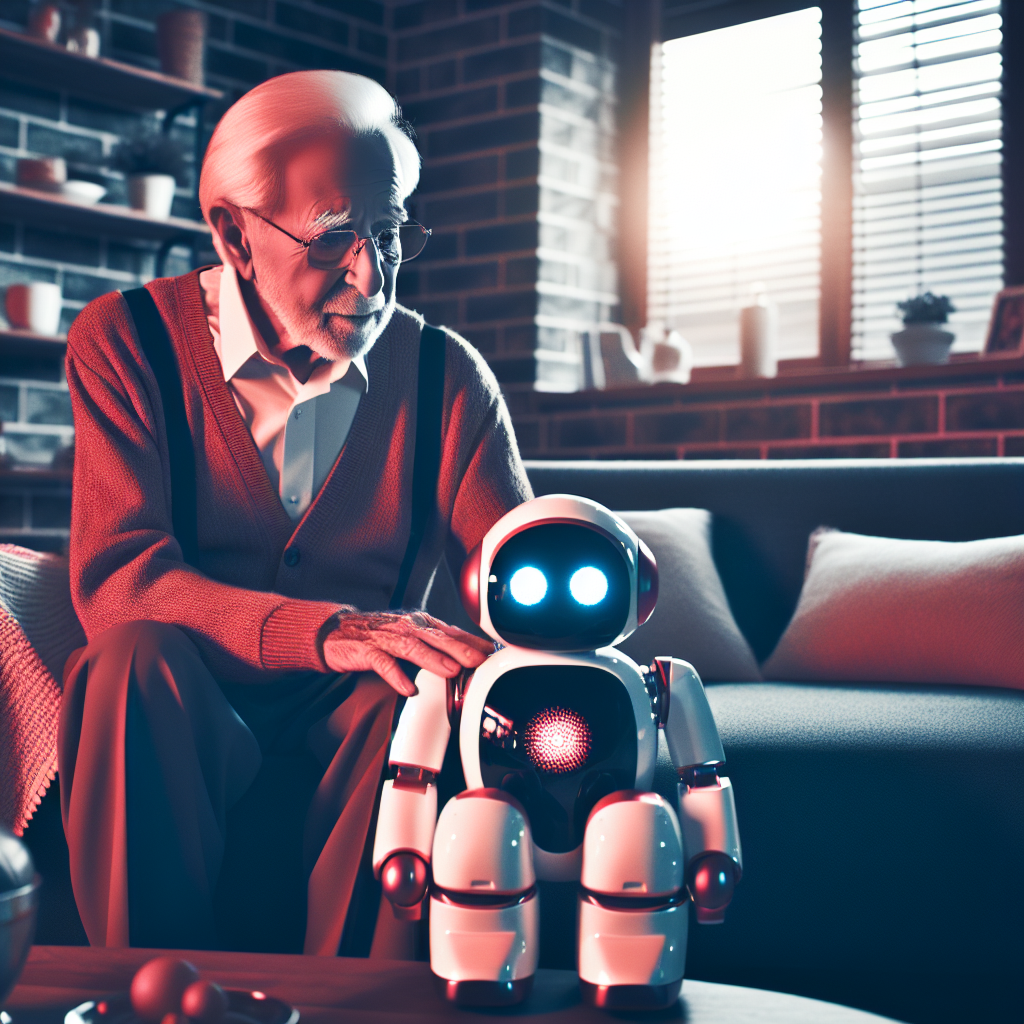
As the global population continues to age, the need for innovative solutions to support and care for the elderly is becoming increasingly important. One such solution that has gained traction in recent years is the use of robotics as companions for seniors. These robots are designed to provide emotional support, assistance with daily tasks, and even help combat loneliness among older adults.
Benefits of using robotics in elderly companionship:
- 24/7 availability: Unlike human caregivers who have limited hours, robotic companions can be available round-the-clock to assist seniors whenever they need it.
- Reduced cost: While hiring a human caregiver can be expensive, investing in a robotic companion can be a more cost-effective option over time.
- Promotion of independence: Robotics can help seniors maintain their independence by assisting them with tasks such as medication reminders or household chores.
- Social interaction: Many robotic companions are equipped with advanced AI technology that allows them to engage in conversations and provide social interaction for lonely seniors.
Author’s note:
As someone who has witnessed firsthand the positive impact that robotic companions can have on the lives of elderly individuals, I believe that this technology holds great promise for improving quality of life among our aging population.
While some may argue that nothing can replace human connection and empathy when it comes to caring for the elderly, there is no denying the potential benefits that robotics bring to this field. With advancements in artificial intelligence and machine learning, these robots are becoming more sophisticated than ever before, allowing them to better understand and respond to the needs of their senior users.
Challenges facing robotic companionship:
- Lack of personal touch: Some critics argue that robots lack the ability to truly connect with humans on an emotional level due
to their programmed responses. - Data privacy concerns: The collection and storage of personal data by these robots raise significant privacy issues
that must be addressed.
</lI - Maintenance costs: Robotic companions require regular maintenance and updates which can add up over time,
making them costly investments.
</lI - Ethical considerations: There are ethical dilemmas surrounding issues such as consent and autonomy when it comes
to relying on machines for caregiving duties.
</lI