
-
Table of Contents
The future of cryogenic preservation and ethical debates
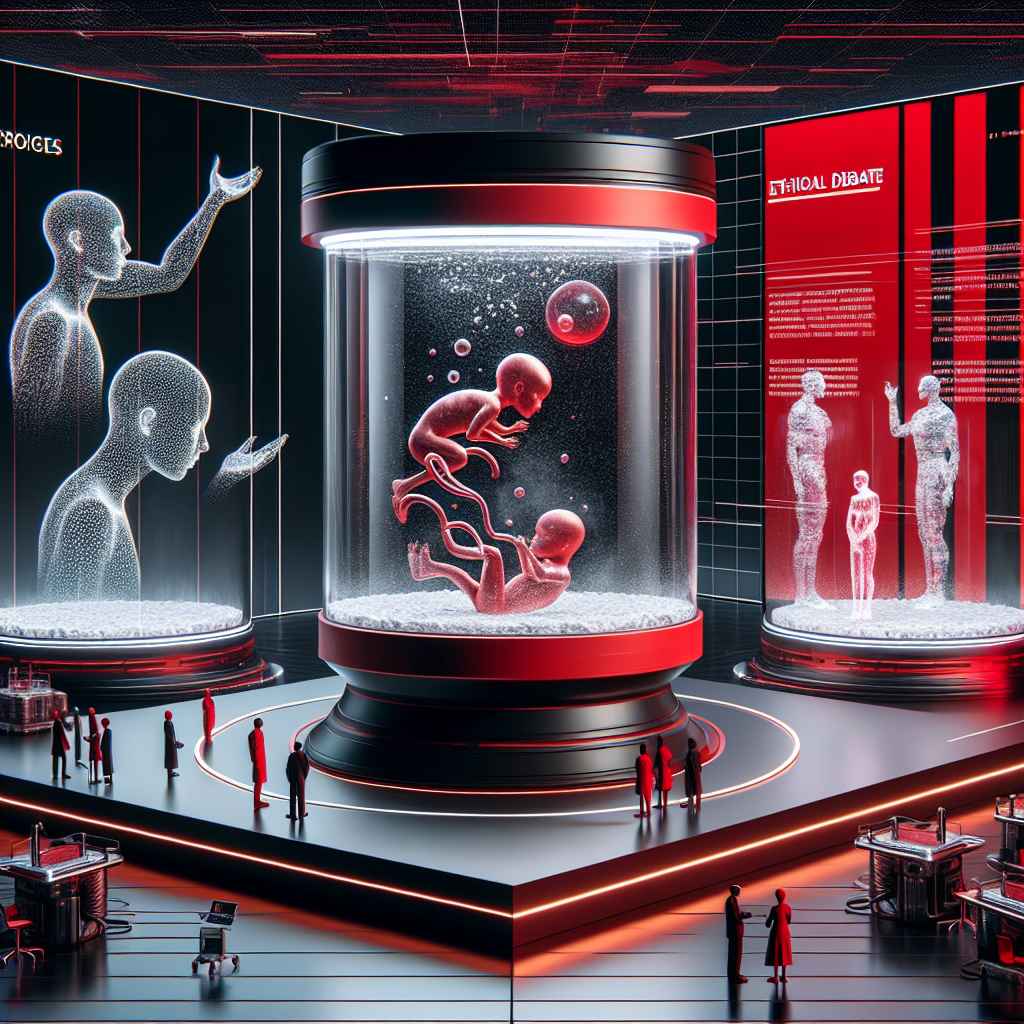
Introduction
Cryogenic preservation, the process of preserving biological materials at extremely low temperatures, has long been a subject of fascination and debate. As technology advances, the possibilities for cryopreservation are expanding, raising new ethical questions along the way.
The potential benefits of cryogenic preservation include:
- Prolonged lifespan: Cryopreservation could potentially allow individuals to extend their lives by preserving their bodies or brains until a time when they can be revived and treated for any ailments that caused their death.
- Medical advancements: Preserving organs or tissues at ultra-low temperatures could revolutionize organ transplantation and regenerative medicine by providing a readily available source of healthy tissue.
- Preservation of endangered species: Cryogenically storing genetic material from endangered species could help prevent extinction by allowing scientists to reintroduce these animals into the wild in the future.
While these potential benefits are exciting, they also raise complex ethical dilemmas that must be carefully considered as we move forward with this technology.
Ethical considerations in cryogenic preservation
As we explore the possibilities offered by cryopreservation, it is important to consider the following ethical issues:
- Autonomy: Should individuals have the right to choose whether or not to undergo cryopreservation? How do we ensure that these decisions are made freely and without coercion?
- Identity: What impact does being revived after cryopreservation have on an individual’s sense of self? Will they still be the same person they were before being frozen?
- Distribution: Who should have access to cryopreservation technology? Should it be reserved for those who can afford it, or should it be accessible to all?</il
- Informed consent: How do we ensure that individuals fully understand what undergoing cryopreservation entails before making a decision? Are current consent processes adequate?</il
- Sustainability: What environmental impacts does widespread use of cryogenic storage have? How can we mitigate these effects while still reaping its benefits?</il
Author’s note:
As someone fascinated by both science and ethics, I find myself torn between excitement for what cryogenic preservation could offer humanity and concern about how it may shape our society. The intersection between technological advancement and moral responsibility is one that requires careful navigation as we venture into uncharted territory.
The role of regulation in shaping the future of cyrogenic presrvation
In order to address these ethical concerns effectively, robust regulatory frameworks will need o e put n place t govern he use f c yopr s rvat on techn logy . Th se r gulations sh uld ad ress i sues such s pati nt saf ty , c nsent proc ss s , qu lity assuranc , nd acce si il ty. By stablishing cl ar gu delin s f r th us f cr ypres rvati n d holding thos inv lv d accountable fo complianc , w ca striv toward creating ethically sound practices within this field.
Furthermore,collabor tion etween sci ntists ethic sts,polic makers,and he general public wil b keyto ens ring hat cr yo ic p eserv tion tec nologyis dev lopedand implementedn aw ys hat resp ct h uman dignityand v lu .
.