
-
Table of Contents
How Micro-Schools Challenge Traditional Education Systems

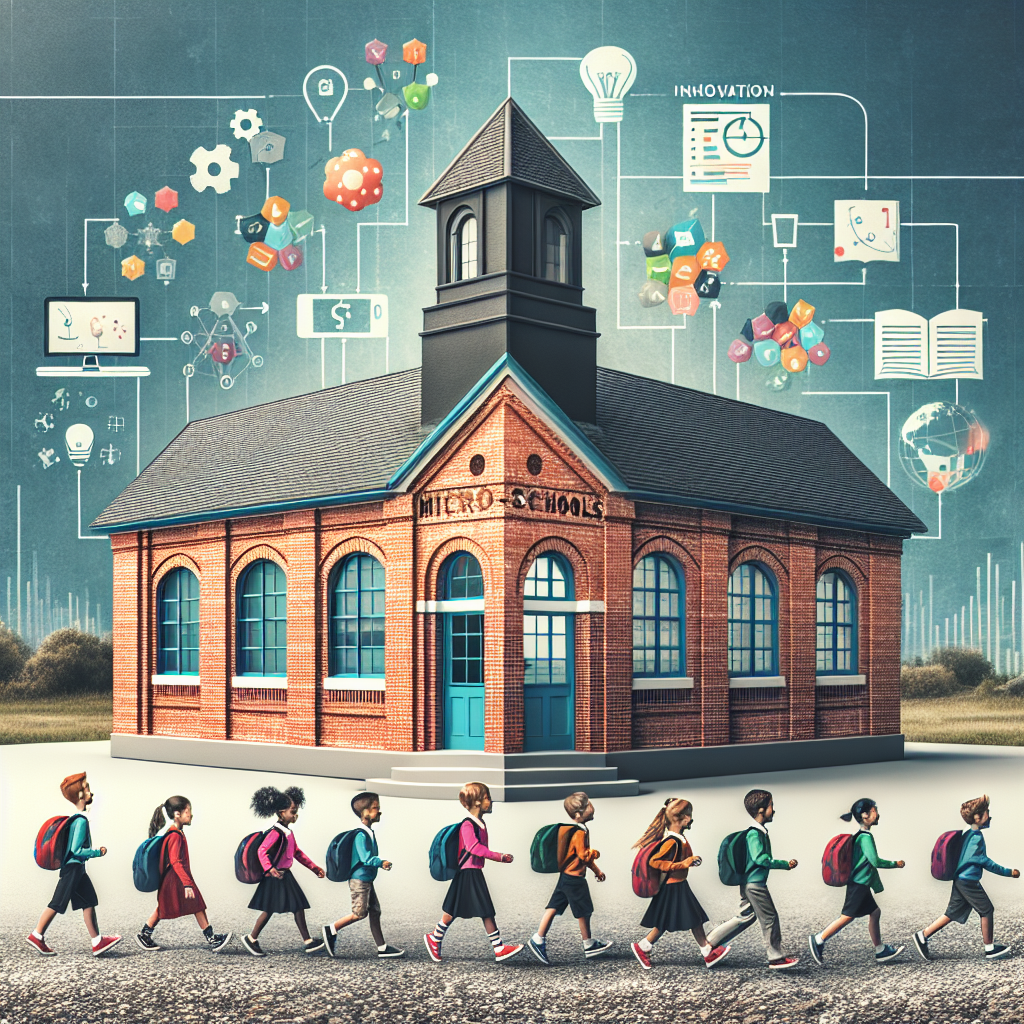
The landscape of education is undergoing a significant transformation as micro-schools emerge as a compelling alternative to traditional educational systems. These small, community-centric schools offer personalized learning experiences that stand in stark contrast to the conventional one-size-fits-all approach. With an emphasis on adaptability and student engagement, micro-schools are increasingly seen as a viable option for parents seeking more tailored educational opportunities for their children.
Defining Characteristics of Micro-Schools
Micro-schools differ from traditional institutions in several key ways:
- Size and Scale: Typically accommodating fewer than 150 students, micro-schools focus on creating tight-knit communities where individual attention is prioritized.
- Personalized Learning: Curriculum customization allows educators to cater lessons specifically to each student’s needs, fostering deeper understanding and enthusiasm for learning.
- Cultural Flexibility: Unlike larger schools bound by rigid curriculums, micro-schools can adapt swiftly to incorporate diverse cultural perspectives into their teaching methodologies.
- Simplified Administration: With smaller administrative teams, decision-making processes are streamlined and often involve input from both teachers and parents.
- Diverse Educational Models: From project-based learning environments to tech-driven classrooms using digital tools extensively—micro-schools adopt varied approaches that challenge traditional pedagogies effectively.
“As someone deeply invested in educational reform,” I believe the rise of micro-schools represents not just an evolution but potentially a revolution within our current system. By providing innovative alternatives grounded firmly around community values coupled with cutting-edge techniques – these establishments inspire hope among those dissatisfied with existing paradigms.”
The Appeal: Why Parents Choose Micro-Schools Over Conventional Options?
A growing number of families find themselves drawn towards what many consider “educational sanctuaries.” This shift stems largely due partly because they address concerns commonly associated with mainstream schooling methods such large class sizes impeding meaningful interaction between instructors pupils alike while simultaneously failing accommodate unique talents present amongst younger generations today (think creative thinkers problem solvers etc.). Furthermore there’s increased parental involvement which strengthens bonds nurtures trust resulting improved outcomes overall!
<
Navigating Potential Pitfalls: Addressing Concerns Associated With Microschool Movement Within Broader Contexts Today…<//H5
As exciting promising trend might appear at first glance certain issues warrant careful consideration particularly regard scalability sustainability ensuring equitable access across socioeconomic spectrums globally speaking . For instance questions arise concerning accreditation standards teacher training funding sources necessary maintain operational viability long term basis thus requiring proactive measures safeguard against unintended consequences arising rapid expansion phase currently underway worldwide now!
In conclusion it seems clear enough say least some respects future lies hands dedicated individuals willing push boundaries explore uncharted territories order create better brighter tomorrow us all irrespective background status quo prevailing norms expectations entrenched systems we’ve come rely upon heavily past decades gone era behind forevermore ahead full possibilities await discovery journey awaits embark together hand-in-hand step-by-step forward progress shared goals aspirations vision collective humanity itself never-ending quest knowledge enlightenment truth beauty found therein…</H6