
-
Table of Contents
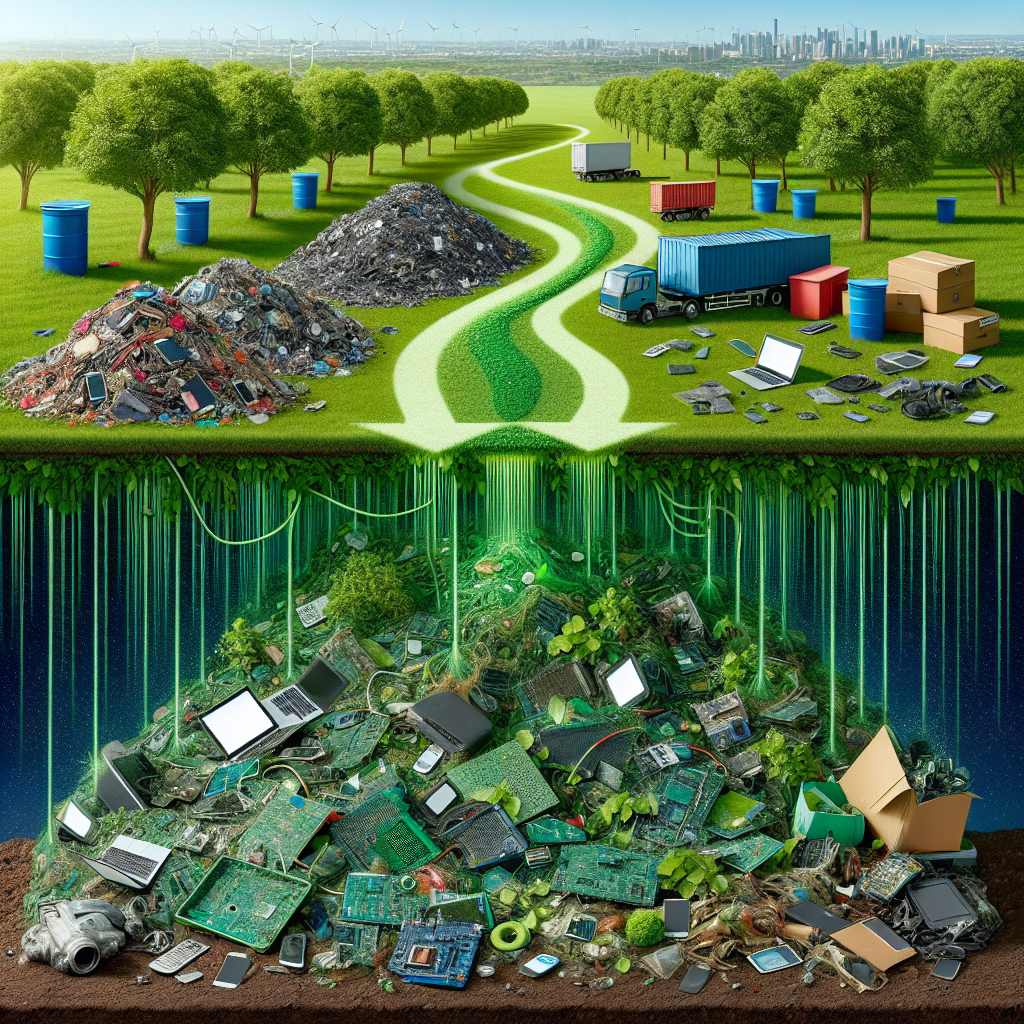
How Biodegradable Electronics Could Reduce E-waste

E-waste, or electronic waste, is a growing problem in our modern society. With the constant advancement of technology and the increasing demand for new gadgets, we are generating more e-waste than ever before. According to a report by the United Nations University, global e-waste generation reached 53.6 million metric tons in 2019 and is expected to increase to 74.7 million metric tons by 2030.
This rise in e-waste poses significant environmental and health hazards as most electronics contain toxic materials such as lead, mercury, cadmium, and brominated flame retardants that can leach into soil and water sources if not disposed of properly. To combat this issue, scientists have been exploring the concept of biodegradable electronics – devices that can break down naturally at the end of their lifespan without causing harm to the environment.
The Benefits of Biodegradable Electronics
- Reduced E-Waste: The primary benefit of biodegradable electronics is reducing e-waste accumulation on our planet. These devices are designed with natural materials that can decompose over time rather than sitting in landfills for years.
- Sustainable Materials: Unlike traditional electronics which rely heavily on non-renewable resources like plastic and metals, biodegradable electronics use sustainable materials such as cellulose-based polymers or silk protein films derived from plants or animals.
- Faster Decomposition Time: While traditional plastics take hundreds or even thousands of years to decompose fully, some biodegradable materials used in these devices can break down within weeks or months under specific conditions like exposure to sunlight or moisture.
- No Harmful Byproducts: As biodegradable electronics decompose, they do not release any toxic chemicals or byproducts into the environment. This eliminates the risk of soil and water pollution.
- Cost-Effective Production: The production process for biodegradable electronics is relatively simple and cost-effective compared to traditional electronics, making it a viable solution for reducing e-waste on a larger scale.
The Current State of Biodegradable Electronics
The concept of biodegradable electronics is still in its early stages, but researchers have made significant progress in developing prototypes that can potentially replace traditional electronic devices. Some notable examples include a fully biodegradable smartphone created by Finnish company Paptic Ltd., which uses sustainable materials like wood-based cellulose instead of plastic components.
In addition to smartphones, scientists are also exploring the use of biodegradable materials in other types of electronic devices such as sensors, batteries, and even medical implants. These advancements could significantly reduce e-waste from these commonly used gadgets.
The Challenges Ahead
While the potential benefits of biodegradable electronics are promising, there are still some challenges that need to be addressed before they can become mainstream. One major hurdle is ensuring that these devices can withstand regular wear and tear while maintaining their functionality throughout their lifespan.
This requires extensive research and testing to develop durable yet eco-friendly materials that can withstand various environmental conditions without compromising performance. Additionally, there needs to be proper infrastructure in place for collecting and disposing of these devices at the end of their life cycle so they can decompose safely without causing harm to the environment.
A Call for Collaboration
I am personally fascinated by this emerging technology and believe it has immense potential in reducing our impact on the planet. As a society, we must come together and support the development of biodegradable electronics to make them a viable alternative to traditional devices.
Collaboration between researchers, governments, and industries is crucial in driving progress in this field. Governments can provide funding for research and offer incentives for companies that adopt biodegradable technology. Industries can also play a significant role by investing in sustainable production methods and incorporating biodegradable materials into their products.
The Role of Consumers
As consumers, we have the power to drive change through our purchasing decisions. By choosing products made from sustainable materials or opting for biodegradable alternatives when available, we can send a message to companies that there is demand for eco-friendly options.
We should also take responsibility for properly disposing of our electronic devices at the end of their lifespan. Many manufacturers now offer recycling programs where you can drop off your old gadgets instead of throwing them away with regular trash.
In Conclusion
- E-waste is an ongoing issue: The increasing amount of e-waste generated each year poses environmental and health hazards if not managed correctly.
- Biodegradable electronics could be the solution: These devices are designed with natural materials that decompose without causing harm to the environment.
- Promising benefits: Biodegradable electronics reduce e-waste accumulation, use sustainable materials, break down faster than traditional plastics, do not release harmful byproducts during decomposition, and are cost-effective to produce on a larger scale.
- Ongoing challenges: Researchers need to address durability concerns while ensuring proper infrastructure is in place for safe disposal at the end of these devices’ lifespan before they become mainstream solutions.
- Collaboration is key: Governments, industries, and consumers must work together to drive progress in this field and make biodegradable electronics a viable alternative.
In the end, it is up to us as individuals to make conscious choices that can have a positive impact on our planet. By supporting the development of biodegradable electronics, we can take a step towards reducing e-waste and creating a more sustainable future for generations to come.