
-
Table of Contents
- The Role of AI in Music Creation
- The Impact on Copyright Laws
- The Current State of Copyright Laws for AI-Generated Music
- Author’s note: My personal opinion on this matter is that while the involvement of an algorithm may complicate things, ultimately it should be recognized as another tool used in music creation rather than having sole ownership over the work itself.
- Possible Solutions
- The Future of Copyright Laws in the Age of AI Music Generators
How AI Music Generators are Redefining Copyright Laws
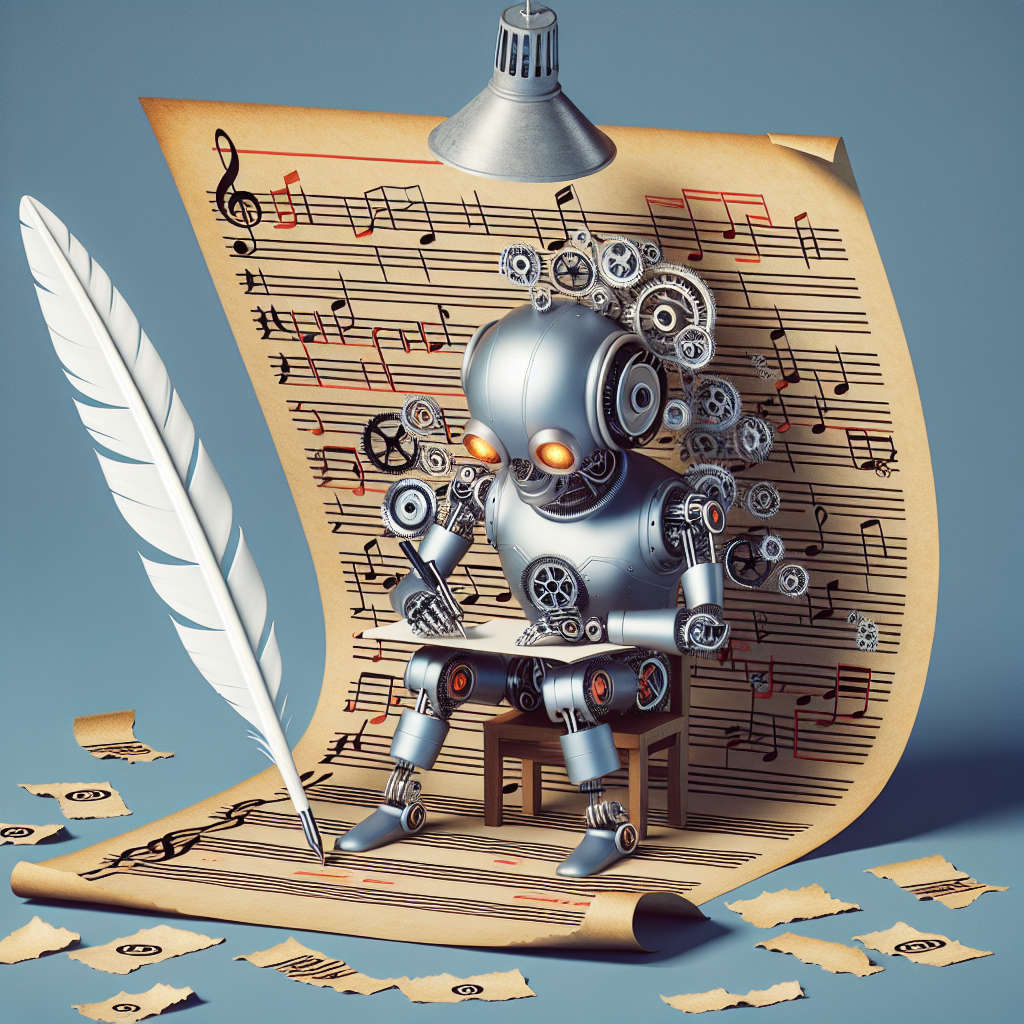
In recent years, the use of artificial intelligence (AI) in music creation has been on the rise. With advancements in technology and algorithms, AI music generators have become increasingly sophisticated, creating original pieces that sound almost indistinguishable from those composed by humans. While this may seem like a breakthrough for the music industry, it also brings about challenges when it comes to copyright laws.
The Role of AI in Music Creation
- AI-generated music is created using complex algorithms and machine learning techniques.
- These algorithms analyze existing musical data and patterns to create new compositions.
- Some programs allow users to input specific parameters such as genre or mood, while others can generate completely original pieces without any human intervention.
- AI-generated music is often used for background tracks in commercials, films, and video games due to its cost-effectiveness and quick production time.
- The quality of AI-generated music has improved significantly over the years, making it difficult for listeners to distinguish between human-composed and AI-composed songs.
The Impact on Copyright Laws
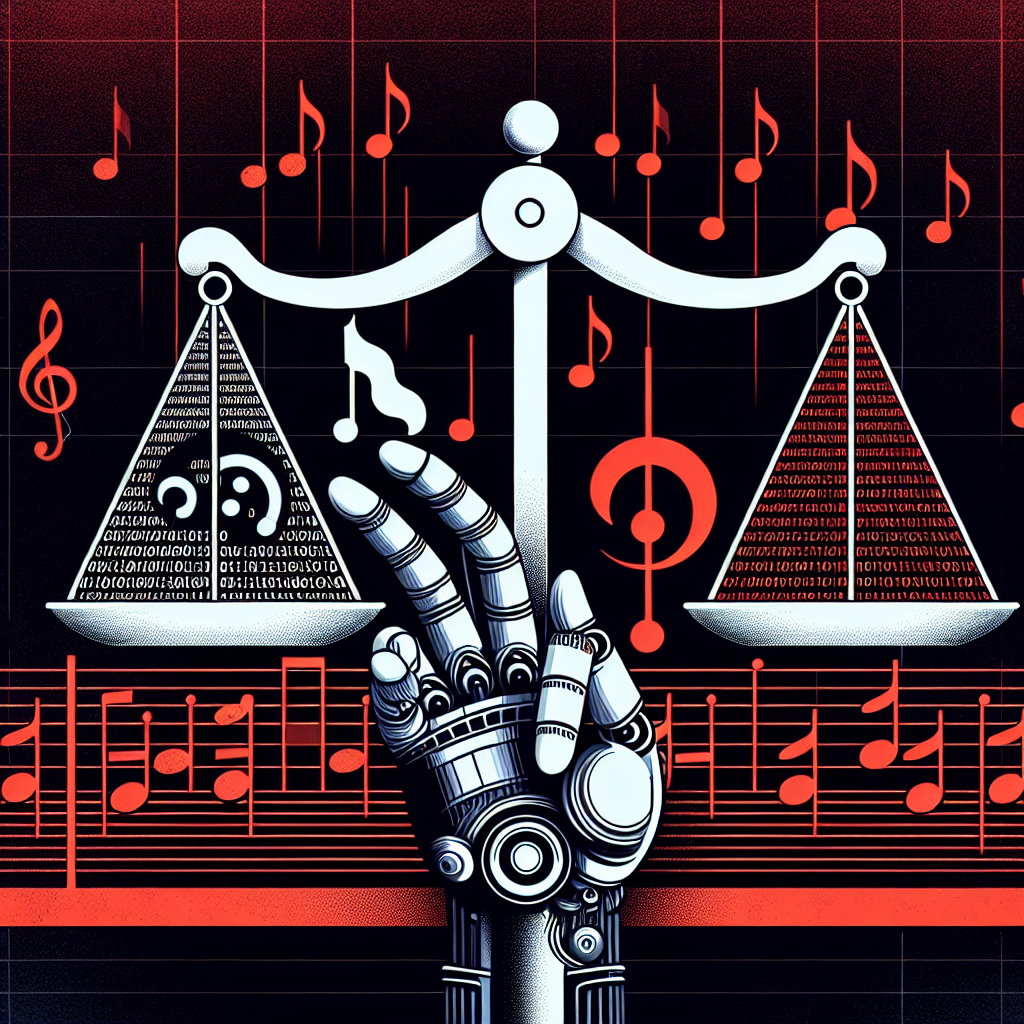
With traditional forms of composition involving one or more human creators owning rights to their work, how does the involvement of an algorithm affect copyright laws? This question raises several concerns that need addressing:
- Creative Ownership: In cases where an individual uses an AI program to compose a song entirely or partially based on pre-existing works without proper authorization or attribution – who owns the creative rights?
- Derivative Works: When AI-generated music is used in conjunction with human-composed pieces, does the creator of the AI program have any rights to the final product?
- Fair Use and Plagiarism: With algorithms analyzing existing musical data, there is a possibility that an AI generator may produce compositions similar to existing works. This raises questions about fair use and plagiarism.
The Current State of Copyright Laws for AI-Generated Music
In most countries, copyright laws are designed to protect creative works by individuals or groups. However, they do not explicitly mention ownership of creations made using artificial intelligence. As a result, legal experts and policymakers are now grappling with how best to address this issue.
In some cases, creators have attempted to register their AI-generated music under traditional copyright laws as if it were composed by humans. In other instances, companies developing these programs claim ownership over all content created using their software.
Author’s note: My personal opinion on this matter is that while the involvement of an algorithm may complicate things, ultimately it should be recognized as another tool used in music creation rather than having sole ownership over the work itself.
Possible Solutions
- New Legislation: Some argue that new legislation specifically addressing intellectual property rights for creations made using artificial intelligence needs to be implemented.
- Licensing Agreements: Another solution could involve licensing agreements between creators and developers where both parties share credit and royalties for any resulting works from an AI program.
- Creative Commons Licenses:A Creative Commons license allows creators to choose how others can use their work without giving up all their rights under copyright law. This could be a viable option for AI-generated music as well.
The Future of Copyright Laws in the Age of AI Music Generators
As technology continues to advance, it is inevitable that we will see more widespread use of AI in music creation. With this comes the need for clear and comprehensive laws to protect both human creators and those using AI programs. It is essential to strike a balance between encouraging innovation while also ensuring fair compensation for all parties involved.
In conclusion, the rise of AI music generators has undoubtedly challenged traditional copyright laws. However, with careful consideration and collaboration between legal experts, policymakers, and creators themselves, we can find solutions that benefit everyone in this rapidly evolving landscape.