
-
Table of Contents
- The Future of Hybrid Reality Classrooms Combining AR and VR
- Understanding Hybrid Reality Classrooms
- The Role of AR and VR Technologies
- Enhancing Engagement Through Immersion
- Catering to Diverse Learning Styles
- Navigating Challenges Ahead
- A New Era for Educators and Students Alike
- A Personal Reflection on Hybrid Learning Environments
- The Road Ahead: Preparing for Implementation
The Future of Hybrid Reality Classrooms Combining AR and VR
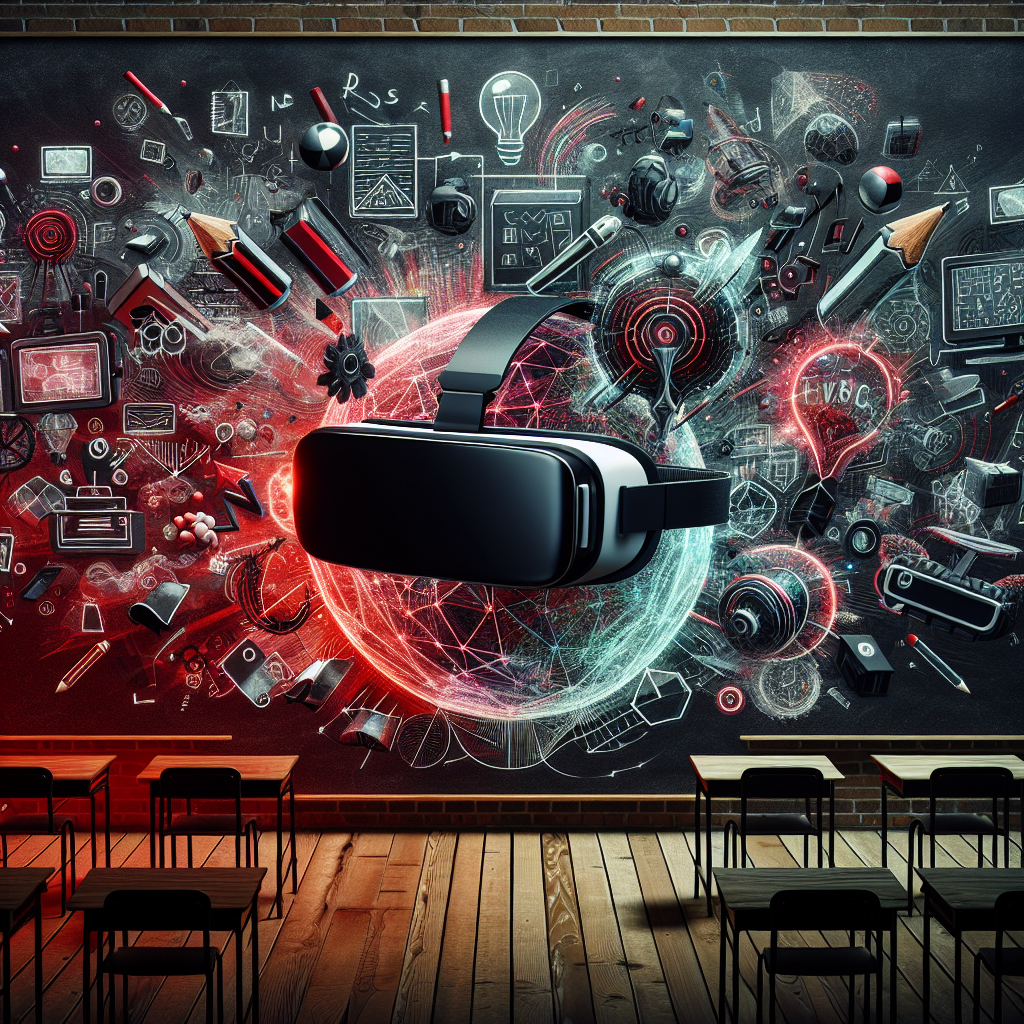
As we move further into the 21st century, the landscape of education is undergoing a profound transformation. The integration of Augmented Reality (AR) and Virtual Reality (VR) technologies in classrooms is paving the way for hybrid reality environments that enhance learning experiences. These innovations are not just futuristic concepts; they are becoming essential tools for educators aiming to engage students in more interactive and immersive ways.
Understanding Hybrid Reality Classrooms
Hybrid reality classrooms blend physical and digital elements to create a seamless educational experience. This approach leverages both AR and VR technologies, allowing students to interact with their learning materials in ways that were previously unimaginable. Here are some key features of hybrid reality classrooms:
- Immersive Learning Experiences: Students can explore complex subjects through simulations that bring abstract concepts to life.
- Interactive Collaboration: Learners can work together in virtual spaces, regardless of their physical locations.
- Personalized Education: Educators can tailor lessons to individual student needs using adaptive technologies.
- Real-Time Feedback: Instant assessments allow teachers to gauge understanding immediately and adjust instruction accordingly.
- Cultural Exposure: Students can experience different cultures and historical events firsthand through virtual field trips.
The Role of AR and VR Technologies
The combination of AR and VR creates unique opportunities for engagement in educational settings. While AR overlays digital information onto the real world, enhancing what students see around them, VR immerses learners entirely within a computer-generated environment. This duality offers several advantages for teaching methodologies.
Enhancing Engagement Through Immersion
A significant challenge faced by educators today is maintaining student engagement. Traditional methods often fall short when it comes to capturing attention in an increasingly digital world. By incorporating immersive technologies like AR and VR, teachers can create captivating lessons that hold students’ interest longer than conventional approaches might allow.
Catering to Diverse Learning Styles
No two learners are alike; each has distinct preferences regarding how they absorb information. Hybrid reality classrooms accommodate various learning styles effectively by providing visual, auditory, and kinesthetic experiences simultaneously. For instance:
- Auditory learners benefit from narrated content within virtual environments.
- Visual learners engage with dynamic graphics that illustrate concepts vividly.
- Kinetic learners, who thrive on hands-on activities, can manipulate 3D models or conduct experiments virtually.
“Learning styles vary significantly among individuals; recognizing these differences is crucial for effective teaching.”
Navigating Challenges Ahead
The transition towards hybrid reality classrooms does not come without its challenges. Institutions must consider various factors before fully embracing this technological shift:
- Infrastructure Costs: Investing in necessary hardware such as headsets or tablets may strain budgets initially but pays off long-term through enhanced learning outcomes.
- User Training: Teachers need adequate training on how best to implement these technologies into their curricula effectively.
- Sustainability Concerns: Schools must evaluate the environmental impact associated with increased technology use while ensuring accessibility for all students regardless of socioeconomic status.
A New Era for Educators and Students Alike
This evolution towards hybrid reality classrooms signals a new era where education becomes more inclusive, engaging, and tailored to individual needs. As institutions begin integrating these advanced tools into their curricula, both educators and students will find themselves equipped with unprecedented resources at their disposal—resources that foster creativity while promoting critical thinking skills essential for future success in an ever-changing world.
“AR & VR will revolutionize how we learn by making education more interactive.”
A Personal Reflection on Hybrid Learning Environments
The Road Ahead: Preparing for Implementation
If schools aim to harness the full potential offered by hybrid realities effectively moving forward requires strategic planning across multiple dimensions including infrastructure development curriculum design professional development programs amongst others.
Ultimately it’s about fostering collaboration between stakeholders including educators administrators tech providers parents community members—all working together toward one goal: enriching student learning experiences through innovation!