
-
Table of Contents
How Adaptive Clothing Improves Accessibility for People with Disabilities
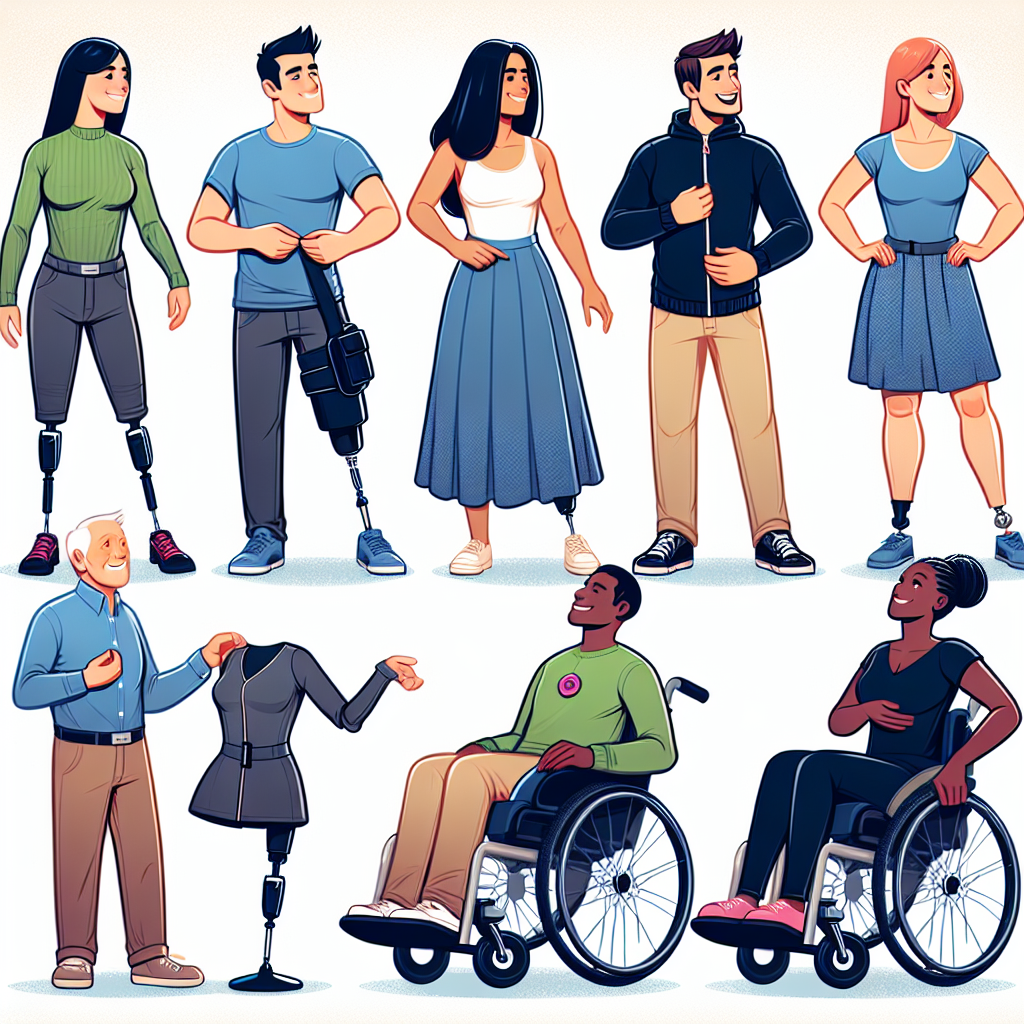
In today’s society, accessibility is a crucial aspect that needs to be considered in all aspects of life. This includes clothing, which may seem like a simple and basic need but can often be challenging for people with disabilities. However, thanks to the development of adaptive clothing, individuals with disabilities now have more options when it comes to choosing their wardrobe.
The Importance of Adaptive Clothing
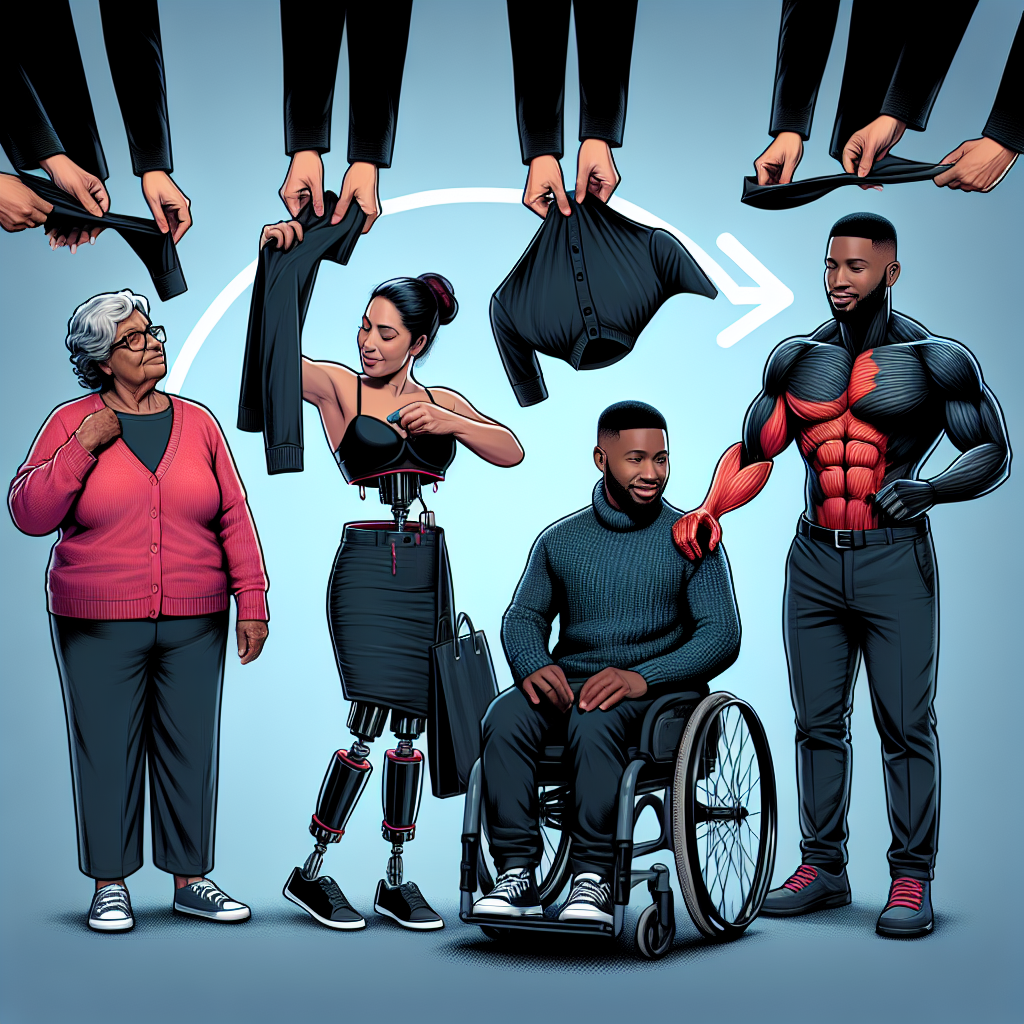
Adaptive clothing refers to garments that are specifically designed and tailored to meet the unique needs and challenges faced by people with disabilities. These clothes are created using innovative designs and features that make them easier to put on and take off, as well as provide comfort and functionality for individuals who may have mobility or dexterity issues.
If you’re wondering how adaptive clothing improves accessibility for people with disabilities, here are some key points:
- Ease of Dressing: One of the primary benefits of adaptive clothing is its ease of dressing feature. For example, someone who uses a wheelchair may find it difficult or even impossible to put on traditional pants due to limited mobility in their lower body. With adaptive pants featuring open-back designs or side zippers, they can easily dress themselves without any assistance.
- Better Comfort: Traditional clothes are not always designed keeping in mind the specific physical needs or sensitivities of individuals with disabilities. This can lead to discomfort or pain while wearing certain types of fabrics or tight-fitting clothes. On the other hand, adaptive clothing is made from soft materials such as cotton blends that offer better comfort and breathability.
- Dignity & Independence: Many people with disabilities may require assistance when it comes to dressing, which can often be embarrassing or make them feel like they are losing their independence. Adaptive clothing allows individuals to dress themselves without relying on others, thus promoting a sense of dignity and independence.
- Inclusivity & Fashion: Another significant advantage of adaptive clothing is that it promotes inclusivity and fashion for people with disabilities. In the past, there were limited options available in terms of stylish and trendy clothes for individuals with physical challenges. However, now many brands offer adaptive clothing lines that not only cater to specific needs but also incorporate current fashion trends.
The Different Types of Adaptive Clothing
Adaptive clothing comes in various forms depending on the specific needs and preferences of an individual. Some common types include:
- Magnetic Closures: These garments use magnets instead of buttons or zippers, making them easier to fasten for those who have difficulty with fine motor skills.
- Elastic Waistbands: For individuals who have trouble pulling up pants due to mobility issues or pain, elastic waistbands provide comfort while still looking fashionable.
- Velcro Fasteners: Similar to magnetic closures, Velcro fasteners make it easier for individuals with dexterity issues to put on and take off their clothes without struggling with buttons or snaps.
- Sensory-Friendly Clothing:</stron