
-
Table of Contents
The Impact of AI on Personalized Nutrition and Diet Planning
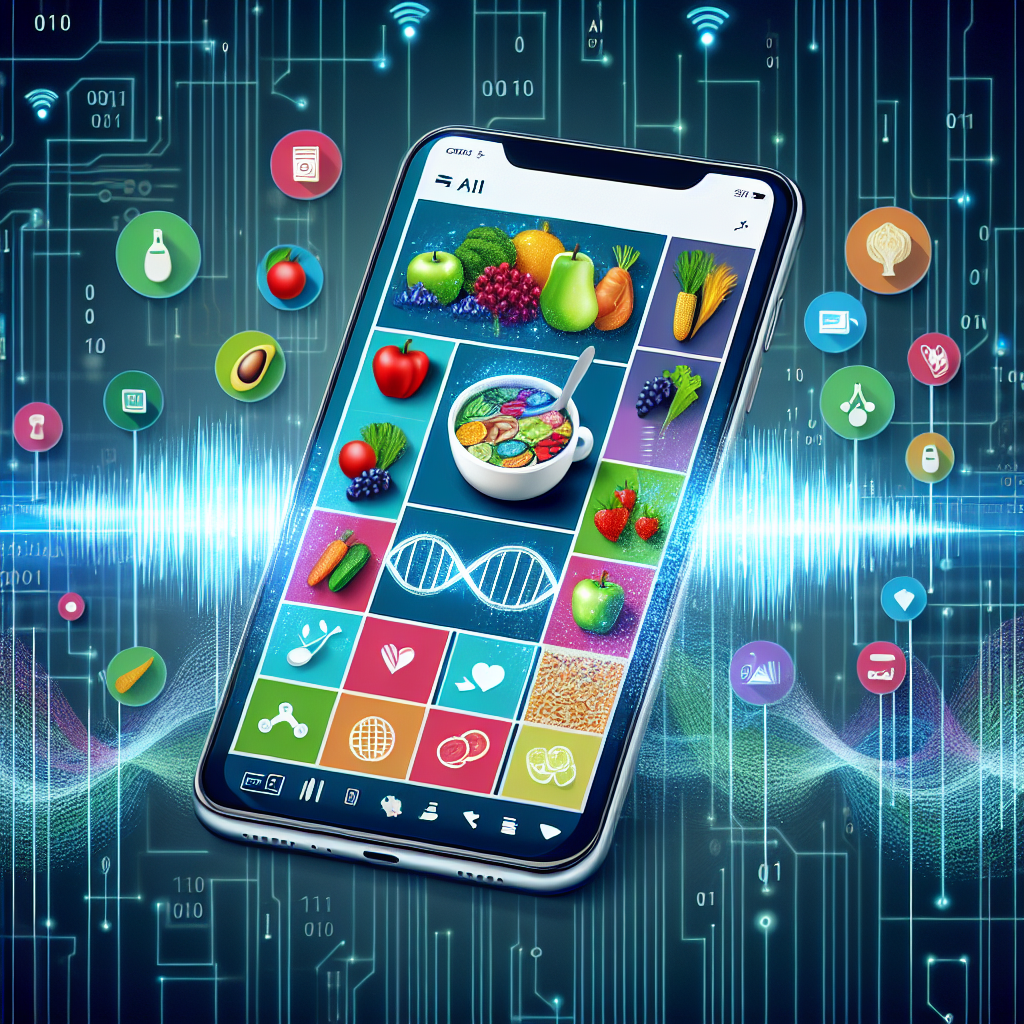
With the rise of technology, it’s no surprise that artificial intelligence (AI) has made its way into the world of nutrition and diet planning. This innovative approach to personalized health is revolutionizing the way we think about food and our bodies. In this article, we’ll explore the impact of AI on personalized nutrition and diet planning.
What is AI?
Before diving into how AI is changing the game for personalized nutrition, let’s first define what exactly AI is. Artificial intelligence refers to machines or computer systems that are able to perform tasks that typically require human intelligence. These tasks can include learning, problem-solving, decision-making, and more.
The Role of AI in Personalized Nutrition
In recent years, there has been a growing interest in personalized nutrition – tailoring dietary recommendations based on an individual’s unique needs such as genetics, lifestyle factors, medical history, etc. While traditional methods rely heavily on general guidelines or trial-and-error approaches, AI takes a more data-driven approach to create highly customized plans for each person.
AI-powered platforms use algorithms to analyze large amounts of data from various sources including genetic testing results, medical records, food preferences and allergies to create tailored meal plans for individuals. These plans take into account not only their specific nutritional needs but also their personal goals such as weight loss or managing chronic conditions like diabetes or heart disease.
Here are some ways in which AI is impacting personalized nutrition:
- Better Accuracy: With traditional methods relying heavily on self-reported information from individuals about their eating habits and symptoms, there is a higher chance of human error and bias. AI eliminates this by using objective data to create personalized plans that are more accurate.
- Efficiency: Creating personalized nutrition plans can be time-consuming for healthcare professionals. With the help of AI, these plans can be generated quickly and efficiently, freeing up time for healthcare providers to focus on other aspects of patient care.
- Personalization: As mentioned earlier, traditional methods often rely on general guidelines which may not take into account an individual’s unique needs. AI allows for highly customized plans based on each person’s specific genetic makeup, medical history, and lifestyle factors.
- Better Outcomes: By creating tailored meal plans based on an individual’s health goals and needs, AI has the potential to improve health outcomes in areas such as weight loss or chronic disease management.
The Future of Personalized Nutrition with AI
The use of AI in personalized nutrition is still relatively new but its potential impact is immense. As technology continues to advance and more data becomes available, we can expect even more advanced systems that will revolutionize the way we approach food and our health.
In addition to creating customized meal plans, some experts predict that AI could also play a role in developing functional foods – products specifically designed to meet an individual’s nutritional needs based on their genetic profile. This would further enhance the personalization aspect of nutrition planning.
A Word from Our Author
I have personally seen the benefits of incorporating AI into my own diet planning as it takes into account my dietary restrictions due to allergies while also helping me reach my fitness goals. I am excited about how this technology will continue to evolve and improve personalized nutrition in the future!
In Conclusion
The impact of AI on personalized nutrition and diet planning is undeniable. It has the potential to improve accuracy, efficiency, personalization, and ultimately lead to better health outcomes for individuals. As technology continues to advance, we can expect even more innovative ways in which AI will shape the future of nutrition.