
-
Table of Contents
- How Driverless Trucks are Reshaping the Logistics Industry
- What are driverless trucks?
- Here are some key features of driverless trucks:
- The Impact on Truck Drivers
- The Benefits for the Logistics Industry
- Here’s how driverless trucks are reshaping the logistics industry:
- Roadblocks Ahead
- Lack of infrastructure:
- Regulatory hurdles:
- Looking Ahead
- In conclusion,
How Driverless Trucks are Reshaping the Logistics Industry
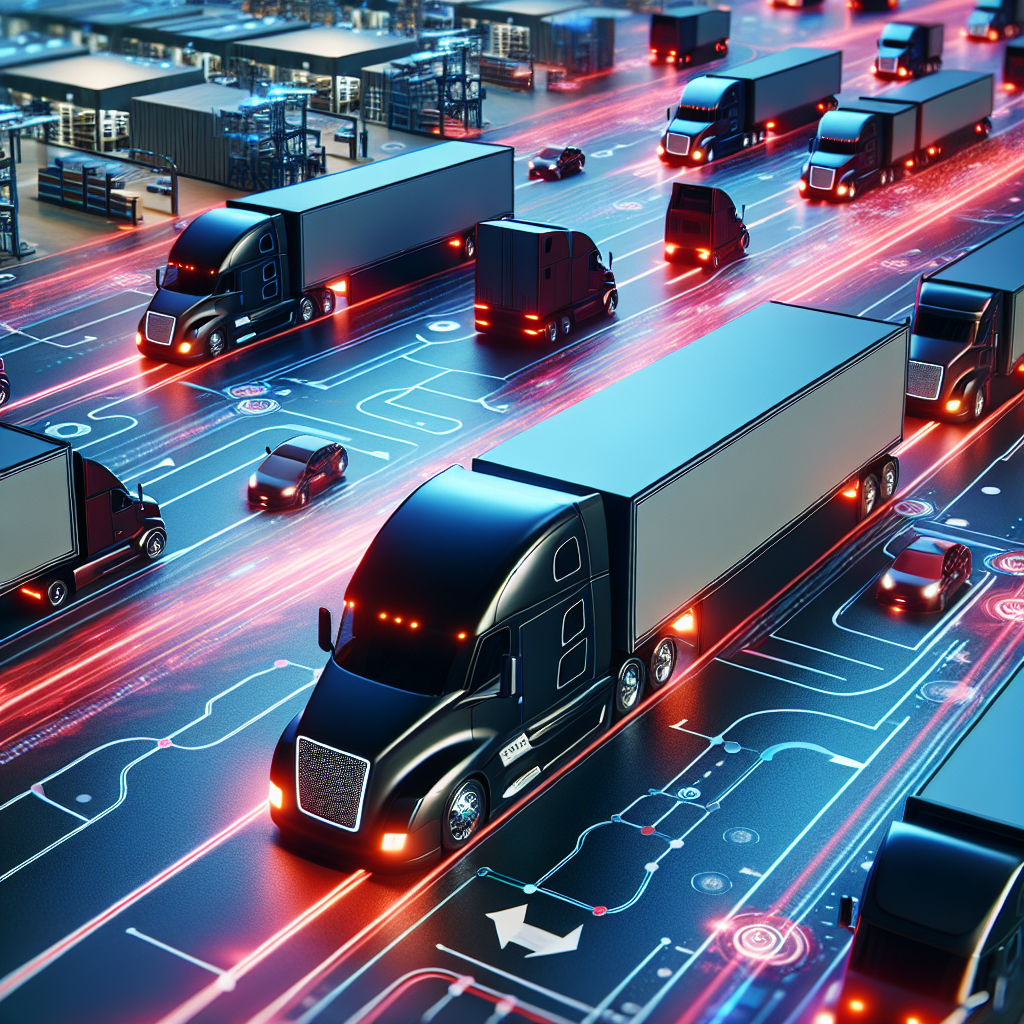
The logistics industry is constantly evolving, and one of the biggest changes in recent years has been the introduction of driverless trucks. These autonomous vehicles have the potential to revolutionize how goods are transported, making it faster, safer, and more efficient. As technology continues to advance, we can expect to see a significant impact on the logistics industry as a whole.
What are driverless trucks?
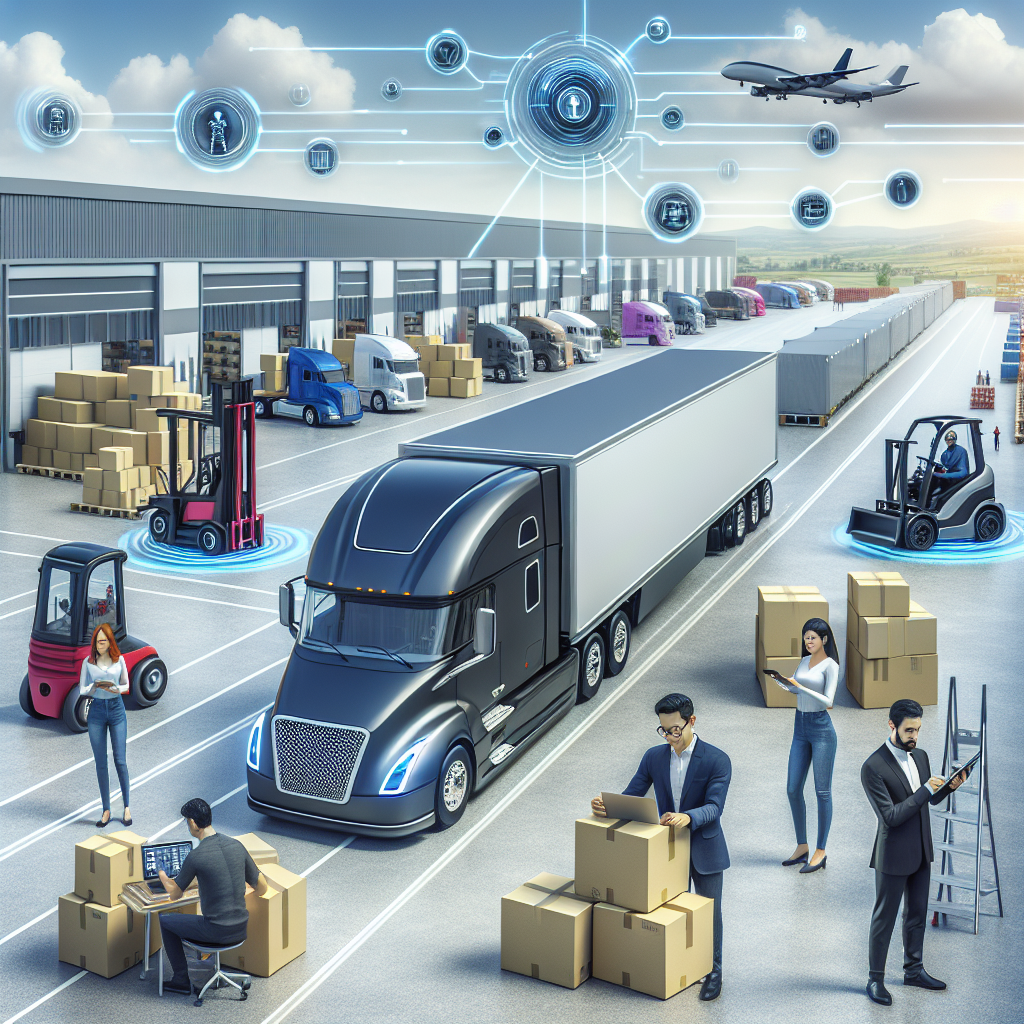
Before we dive into how these trucks are reshaping the logistics industry, let’s first understand what they actually are. Also known as self-driving or autonomous trucks, these vehicles use advanced technologies such as sensors, cameras, radar systems and GPS to navigate roads without human intervention. They operate using complex algorithms that allow them to make decisions in real-time based on their surroundings.
Here are some key features of driverless trucks:
- Safety: One of the main advantages of driverless trucks is safety. With no human drivers involved,
there is less risk for accidents caused by fatigue or distractions. - Eco-friendly: Autonomous trucks can be programmed to drive at optimal speeds and routes,
reducing fuel consumption and emissions. - Faster delivery times: Without needing rest breaks or adhering to driving regulations,
driverless trucks can reach their destinations faster than traditional truck drivers.
The Impact on Truck Drivers
The introduction of driverless trucks may raise concerns about job security for truck drivers. However,Author’s note: As someone who works closely with truck drivers every day,I believe that while there may be some changes in the industry, truck drivers will still play a vital role. With autonomous trucks, drivers can take on other tasks such as monitoring and maintenance of the vehicles.
Moreover, driverless trucks are not meant to completely replace human drivers. They are more likely to operate on long-haul routes or highways where there is less traffic and fewer obstacles. In urban areas or complex road systems, human drivers will still be needed for their ability to make split-second decisions and navigate unpredictable situations.
The Benefits for the Logistics Industry
The logistics industry is constantly under pressure to deliver goods faster and at lower costs. Driverless trucks have the potential to meet these demands by improving efficiency and reducing operational costs.
Here’s how driverless trucks are reshaping the logistics industry:
- Reduced labor costs: Labor costs account for a significant portion of transportation expenses.
By eliminating the need for human drivers, companies can save money on salaries, benefits, and training. - Better utilization of resources: Autonomous trucks can run continuously without rest breaks,
meaning they can cover longer distances in a shorter amount of time. This leads to better resource utilization
as more deliveries can be made with fewer vehicles. - Increase in productivity: With no need for breaks or sleep, driverless trucks can operate around
the clock which translates into increased productivity.
Roadblocks Ahead
The implementation of driverless trucks does come with its own set of challenges that must be addressed before we see widespread adoption.
Lack of infrastructure:
To support autonomous vehicles on roads requires significant investment in infrastructure such as smart roads, sensors, and communication systems. Without these upgrades, it will be difficult for driverless trucks to operate safely and efficiently.
Regulatory hurdles:
The legal framework around autonomous vehicles is still developing. Regulations need to be put in place to ensure the safety of all road users and address liability concerns in case of accidents involving driverless trucks.
Looking Ahead
The potential benefits that come with driverless trucks are too great to ignore. As technology continues to advance and regulations catch up, we can expect to see more companies investing in this game-changing technology.
Author’s note: As someone who works closely with truck drivers every day,I believe that while there may be some changes in the industry, truck drivers will continue to play a crucial role. It’s important for companies and policymakers alike to consider the impact on all stakeholders involved when implementing new technologies like driverless trucks.
In conclusion,
Driverless trucks have already made their mark on the logistics industry by offering increased efficiency, cost savings, and improved safety. While there are still challenges ahead, it’s clear that this technology has the potential to reshape how goods are transported globally.