

-
Table of Contents
The Psychology of Conspiracy Theories in Online Communities
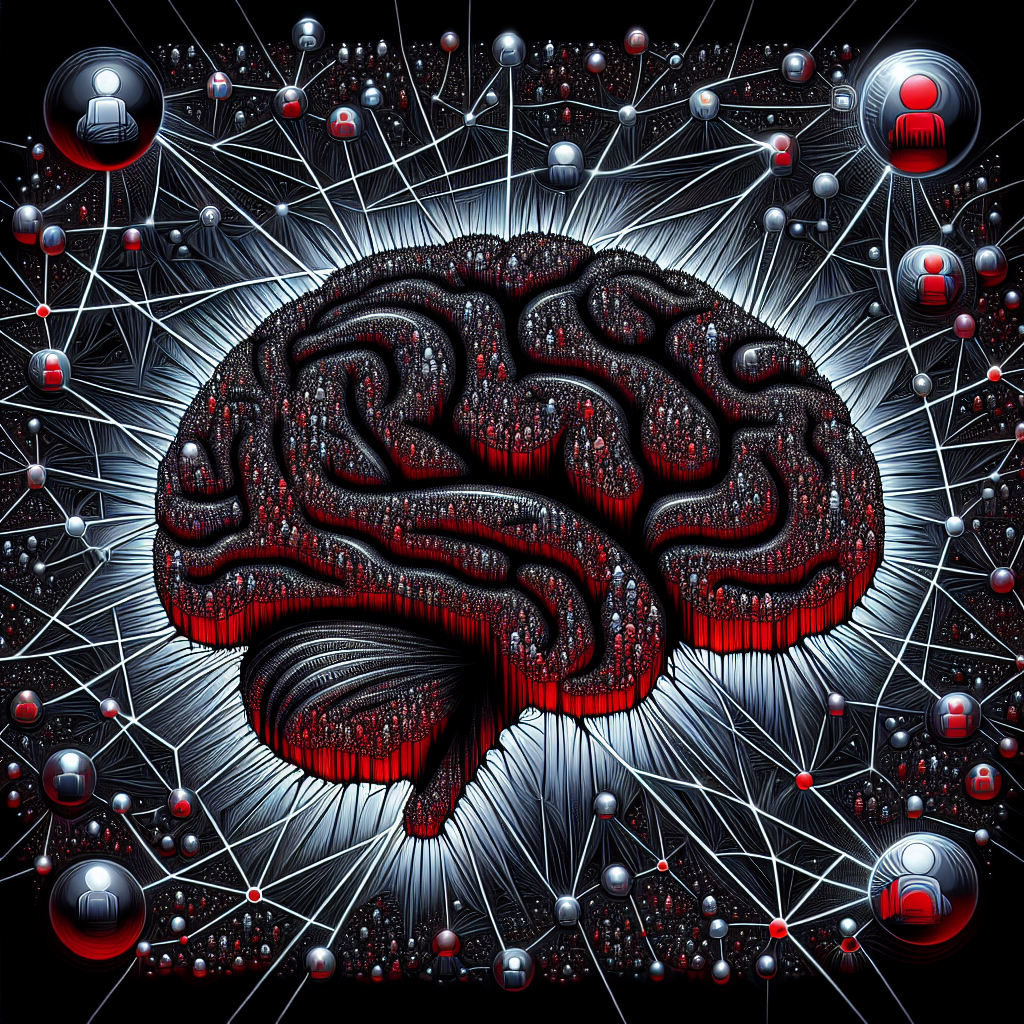
In recent years, the internet has become a breeding ground for conspiracy theories. With the rise of social media and online communities, it has never been easier to spread and perpetuate these ideas. But have you ever wondered why some people are drawn to conspiracy theories? What motivates them to believe in something that may seem far-fetched or even dangerous? In this article, we will delve into the psychology behind conspiracy theories in online communities.
1. The Need for Control
One reason why individuals may be drawn to conspiracy theories is their need for control. Believing in a grand plan or hidden agenda gives them a sense of understanding and control over chaotic events happening around them. It allows them to make sense of complex situations and feel like they have insider knowledge that others do not possess.
2. Confirmation Bias
We all have a natural tendency towards confirmation bias – seeking out information that confirms our existing beliefs while ignoring anything that contradicts it. This is especially prevalent in online communities where like-minded individuals can reinforce each other’s beliefs without any opposing viewpoints present.
Conspiracy theories provide a false sense of security by offering simple explanations for complicated issues. They give people someone or something to blame rather than accepting uncertainty or randomness as part of life.
For some individuals, believing in conspiracy theories can be exciting and thrilling. It adds an element of mystery and intrigue to everyday life, making it more interesting than what they perceive as mundane reality.
In today’s society, there is often a growing mistrust towards authority figures and institutions. This can lead individuals to question official narratives and turn to alternative explanations, such as conspiracy theories.
3. The Need for Belonging
In online communities, people often seek out like-minded individuals who share their beliefs and values. Conspiracy theories provide a sense of belonging to these groups, creating a community based on shared ideas and experiences.
Social identity theory suggests that we derive our self-esteem from the groups we belong to. By identifying with a particular conspiracy theory or group, individuals may feel an increased sense of self-worth and validation.
Conspiracy theories often create an “us vs them” mentality where believers see themselves as part of an exclusive group with special knowledge while others are seen as ignorant or blind followers of mainstream ideas. This creates a strong bond within the community but also reinforces feelings of superiority over non-believers.
4. Cognitive Biases
Cognitive biases are shortcuts in thinking that can lead us astray from logical reasoning. They play a significant role in perpetuating conspiracy theories by distorting information and making it seem more convincing than it actually is.
This bias occurs when someone believes they have more knowledge about something than they actually do – leading them to make confident statements even if they lack evidence or expertise on the subject matter at hand.
This refers to the tendency for people’s beliefs to become stronger when faced with contradictory evidence instead of changing their minds. In other words, presenting facts that disprove a conspiracy theory may actually make believers cling to their beliefs even more strongly.
This bias occurs when individuals overestimate their abilities and knowledge, leading them to believe they are experts on a subject despite having little or no expertise. This can be seen in the proliferation of self-proclaimed “experts” in online communities promoting various conspiracy theories.
Author’s Note:
As someone who has been fascinated by psychology for many years, I have always found the topic of conspiracy theories intriguing. It is essential to understand the underlying psychological factors that contribute to their spread and influence in online communities.
In Conclusion
The rise of social media and online communities has made it easier than ever for people to connect with like-minded individuals and perpetuate conspiracy theories. The need for control, confirmation bias, the need for belonging, and cognitive biases all play significant roles in why some people are drawn to these ideas. As we continue to navigate this digital landscape, it is crucial to critically evaluate information and not fall prey to our inherent biases.
- Be open-minded: Avoid falling into confirmation bias by actively seeking out opposing viewpoints instead of only consuming information that aligns with your beliefs.
- Educate yourself: Familiarize yourself with common cognitive biases so you can recognize them in your own thinking as well as others’.
- Cultivate critical thinking skills: Develop the ability to evaluate information objectively rather than accepting everything at face value.
- Promote healthy skepticism: Encourage healthy skepticism within online communities by questioning sources and evidence presented.