
-
Table of Contents
The Influence of Gamified Learning Apps on Child Development
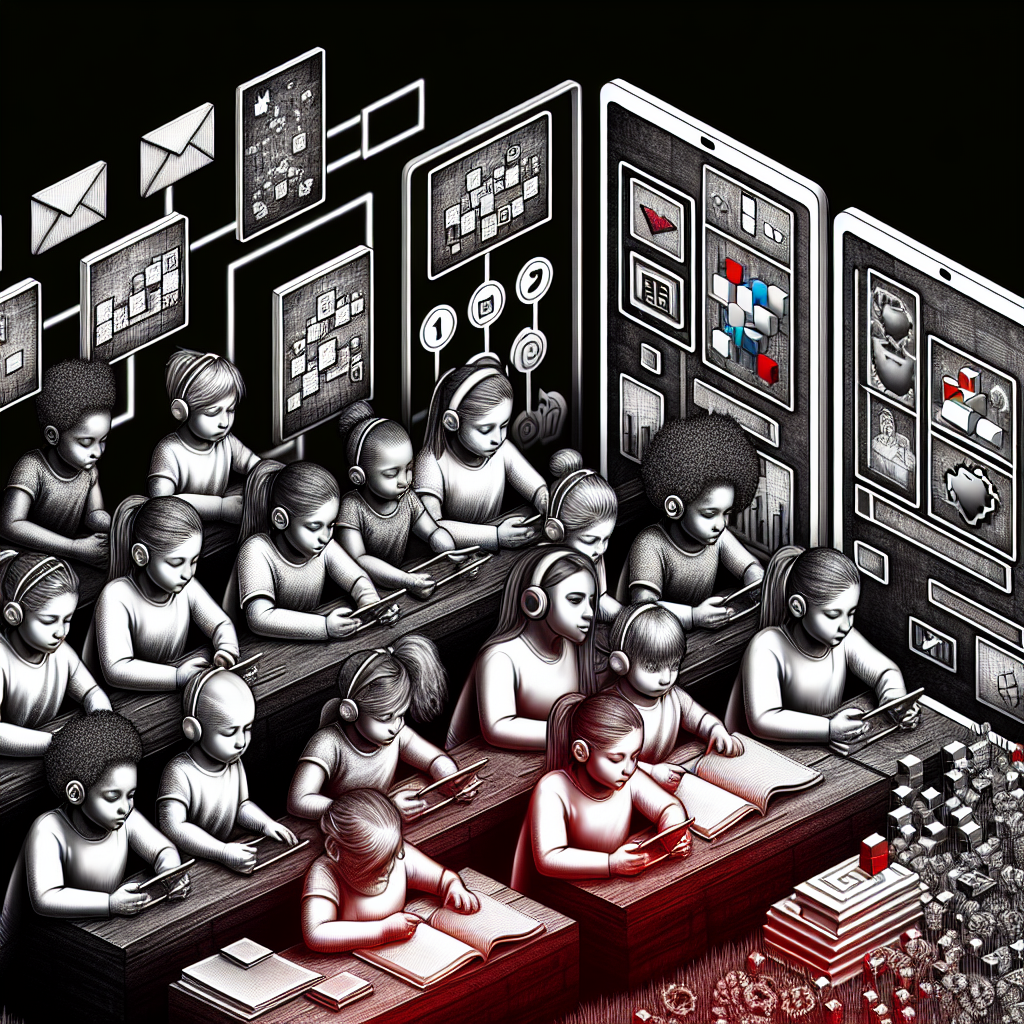
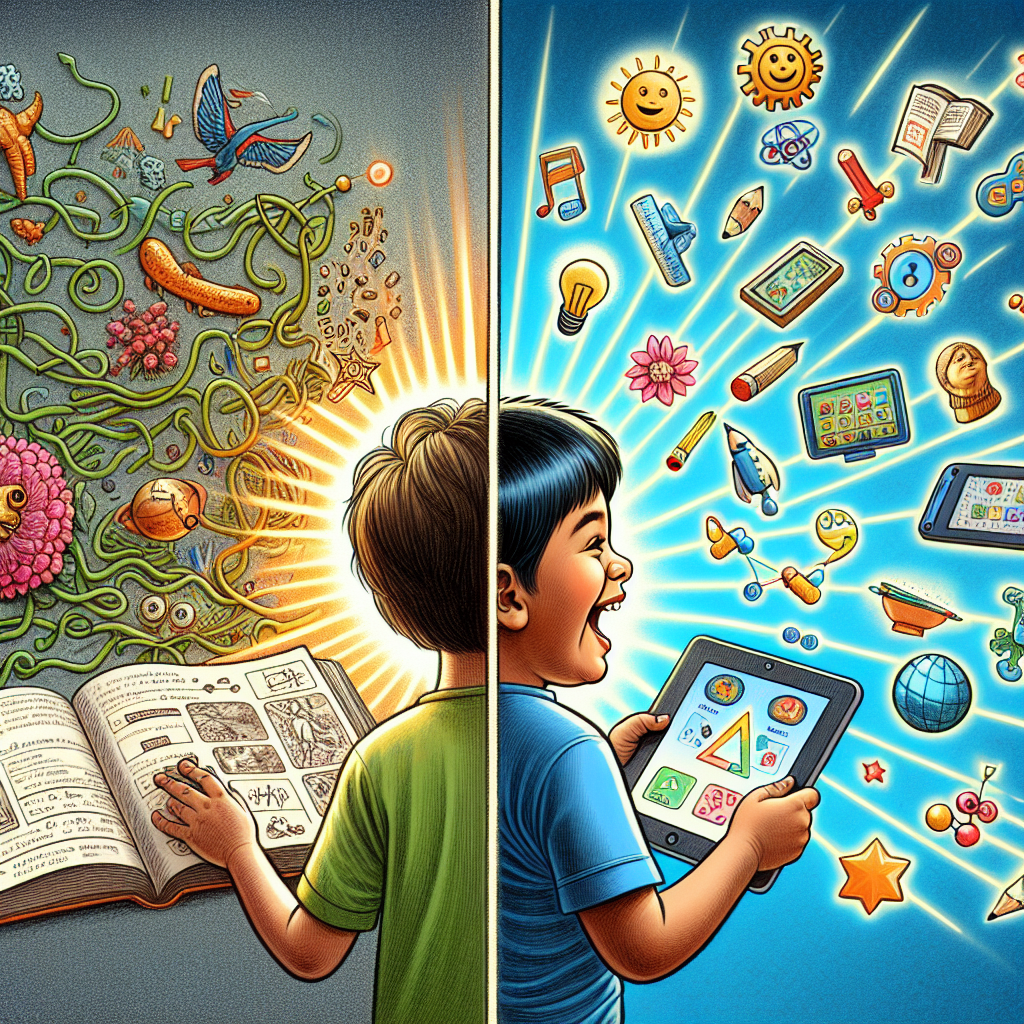
Gamification has become a popular buzzword in the world of education, with more and more teachers and parents turning to gamified learning apps as a way to engage children in their academic pursuits. These apps use game-like elements such as points, levels, rewards, and challenges to make learning more fun and interactive for children. But what is the impact of these gamified learning apps on child development? In this article, we will explore how these apps can influence various aspects of a child’s growth.
1. Motivation and Engagement
One of the most significant benefits of using gamified learning apps is that they can increase motivation and engagement among children. By incorporating elements from games into educational activities, these apps make learning feel like play rather than work. This approach can be especially helpful for young learners who may struggle with traditional teaching methods or have difficulty staying focused during lessons.
In addition to keeping children engaged, gamified learning apps also provide them with immediate feedback when they complete tasks or answer questions correctly. This instant gratification can motivate them to continue working towards their goals without feeling discouraged by mistakes or setbacks.
2. Problem-Solving Skills
Gamification often involves presenting challenges or puzzles that require critical thinking skills to solve. As children progress through different levels in these games, they are constantly faced with new problems that require them to think creatively and come up with solutions.
This constant exercise in problem-solving helps develop essential skills such as analytical thinking, decision-making abilities, logical reasoning, and adaptability – all crucial components for success not only in academics but also in life beyond school.
3. Collaboration and Social Skills
Many gamified learning apps offer features that allow children to interact with their peers, either through multiplayer games or by sharing achievements and progress on social media platforms. This social aspect of gamification can help foster collaboration and teamwork among children.
In addition, these apps often include leaderboards where children can see how they rank against others, creating a healthy sense of competition. Through this friendly competition, children learn valuable lessons about sportsmanship, setting goals, and striving for improvement.
4. Self-Regulation
Gamified learning apps also have the potential to teach children self-regulation skills – the ability to control one’s emotions, thoughts, and behaviors in different situations. In many games, players must follow rules and guidelines to succeed; otherwise, they may face consequences such as losing points or getting stuck at a particular level.
This structure teaches children the importance of following instructions and persevering through challenges rather than giving up when things get tough. It also helps them understand that their actions have consequences – a crucial lesson for personal growth.
5. Creativity
Gamification encourages out-of-the-box thinking by presenting tasks in unconventional ways or allowing players to come up with unique solutions to problems. As such, it can spark creativity in young minds who are still developing their imagination.
In some cases, gamified learning apps even provide tools for creating content within the game itself – from designing avatars to building virtual worlds – giving children an outlet for expressing themselves creatively while engaging in educational activities.
6. Screen Time Management
No discussion about gamified learning apps would be complete without addressing concerns about screen time management among young users. While these apps do involve using electronic devices such as tablets or smartphones, they also offer a more structured and purposeful approach to screen time.
Parents can set limits on how much time their children spend on these apps, and the content is often educational rather than purely recreational. Moreover, many gamified learning apps encourage physical activity by incorporating movement-based games or challenges into their activities.
Author’s Note
I have personally witnessed the positive impact of gamified learning apps on my own child’s development. As an educator and a parent, I highly recommend incorporating these apps into your child’s learning routine for maximum engagement and growth.
In conclusion,
Gamified learning apps have the potential to enhance various aspects of a child’s development – from motivation and problem-solving skills to social interactions and creativity. However, it is essential to strike a balance between using these apps as tools for education and managing screen time effectively. With proper guidance from parents and teachers, gamification can be an effective way to make learning enjoyable while promoting holistic growth in children.