
-
Table of Contents
How Telemedicine Bridges Healthcare Gaps in Rural Areas
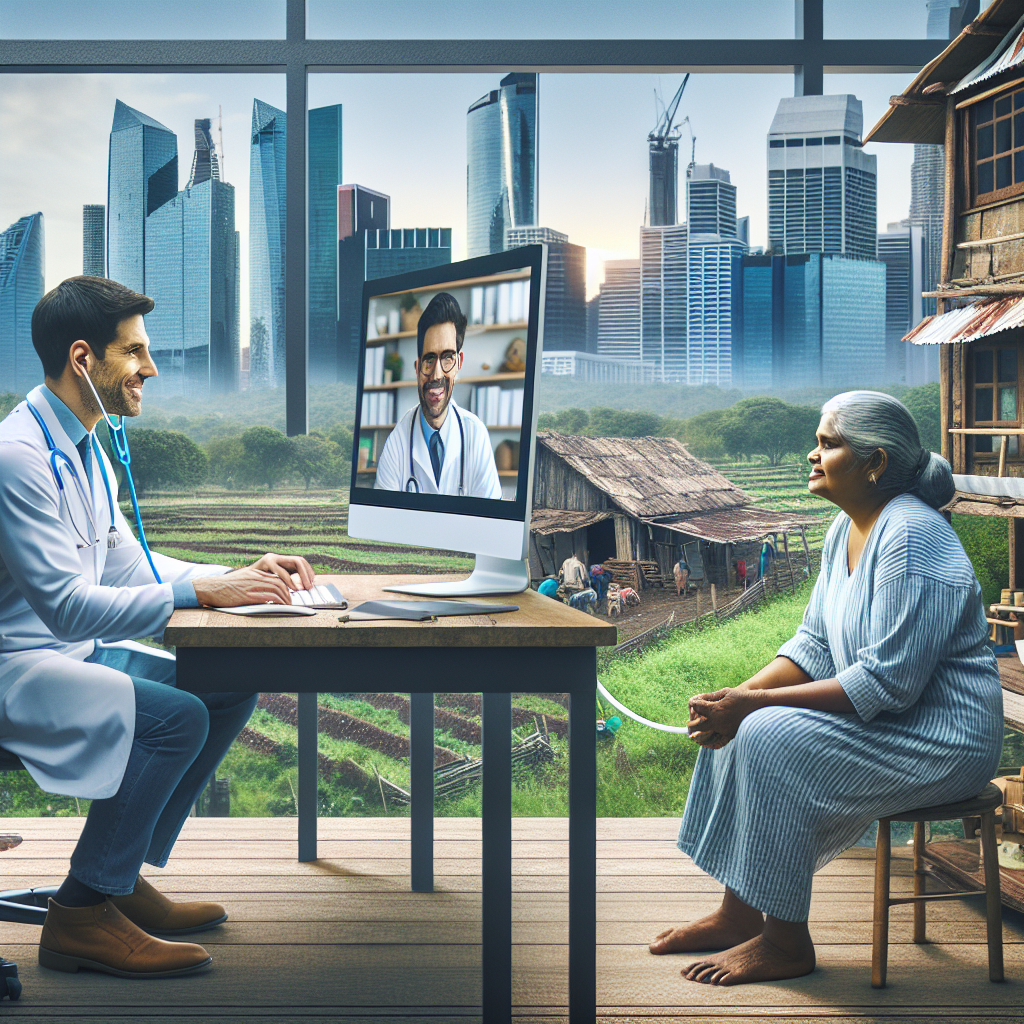
In today’s fast-paced world, technology has made significant advancements in various fields, including healthcare. One of the most prominent developments is telemedicine, which allows patients to receive medical care remotely through electronic communication tools. This innovation has proven to be a game-changer for individuals living in rural areas who face challenges accessing quality healthcare services due to geographical barriers and limited resources.
The Healthcare Situation in Rural Areas
Rural areas are defined as regions with low population density and limited access to basic amenities such as hospitals and clinics. According to the World Health Organization (WHO), nearly half of the global population lives in rural areas, but only about 38% have access to essential health services. The lack of adequate healthcare facilities and trained medical professionals makes it challenging for people living in these regions to receive timely and quality care when needed.
The Role of Telemedicine
Telemedicine bridges the gap between urban and rural healthcare by utilizing modern technologies such as video conferencing, remote monitoring devices, and mobile applications. It enables doctors or specialists from urban areas to connect with patients residing in remote locations without physically being present at their location.
- Improved Access: With telemedicine, patients can easily consult with doctors or specialists from anywhere using their smartphones or computers. This eliminates the need for traveling long distances to reach a hospital or clinic, especially during emergencies.
- Cost-Effective: For individuals living in rural areas where transportation costs can be high, telemedicine offers an affordable alternative compared to traditional doctor visits.
- Better Healthcare Outcomes: Timely consultations through telemedicine can prevent minor illnesses from developing into more severe conditions. It also allows doctors to monitor patients’ health remotely, leading to better management of chronic diseases.
- Access to Specialists: Rural areas often lack specialized medical professionals, making it challenging for individuals with complex health issues to receive proper treatment. Telemedicine enables them to consult with specialists from urban areas without having to travel long distances.
The Impact on Maternal and Child Health
Rural communities are particularly vulnerable when it comes to maternal and child healthcare. The limited access to quality care during pregnancy and childbirth can lead to higher rates of maternal and infant mortality in these regions. However, telemedicine has shown promising results in improving maternal and child health outcomes.
- Prenatal Care: Expectant mothers living in rural areas can now receive regular prenatal check-ups through telemedicine without the need for frequent trips to a hospital or clinic.
- Educational Resources: Telemedicine platforms offer educational resources such as videos, webinars, and online classes that provide valuable information about pregnancy, childbirth, and postpartum care.
- Better Postpartum Support: Through virtual consultations with healthcare providers, new mothers can receive guidance on breastfeeding techniques, postpartum recovery tips, and any other concerns they may have after giving birth.
Author’s Note
I personally believe that telemedicine is an essential tool in bridging the gap between rural communities’ healthcare needs. As someone who grew up in a small town where access to quality medical care was limited, I understand the challenges faced by individuals living in remote areas firsthand. Therefore, I am passionate about spreading awareness about how telemedicine can improve their lives significantly.
The Challenges of Implementing Telemedicine in Rural Areas
While telemedicine has proven to be a valuable solution for healthcare gaps in rural areas, there are still some challenges that need to be addressed.
- Lack of Infrastructure: Poor internet connectivity and limited access to technology devices can hinder the implementation of telemedicine services in remote regions.
- Cultural Barriers: Some communities may have reservations about seeking medical care through virtual means due to cultural beliefs or lack of trust in technology.
- Legal Issues: The regulations surrounding telemedicine vary from country to country, making it challenging for healthcare providers to offer their services across borders.
In Conclusion
Telemedicine is a revolutionary concept that has transformed the way healthcare is delivered globally. In rural areas where people face significant barriers when accessing quality care, this innovation has provided a lifeline. With continuous advancements and efforts towards overcoming challenges, telemedicine will continue bridging the gap between urban and rural healthcare and improving the lives of millions worldwide.