
-
Table of Contents
The Neuroscience of Creativity: How to Train Your Brain to Think Differently

Creativity is a highly sought-after skill in today’s fast-paced and ever-changing world. Whether you are an artist, writer, or entrepreneur, being able to think creatively can give you a competitive edge and open up new opportunities for success.
But what exactly is creativity? According to the Oxford Dictionary, it is “the use of imagination or original ideas to create something.” While some people may seem naturally creative, research has shown that creativity is not just limited to certain individuals. In fact, anyone can train their brain to think differently and tap into their creative potential.
How does the brain work when it comes to creativity?
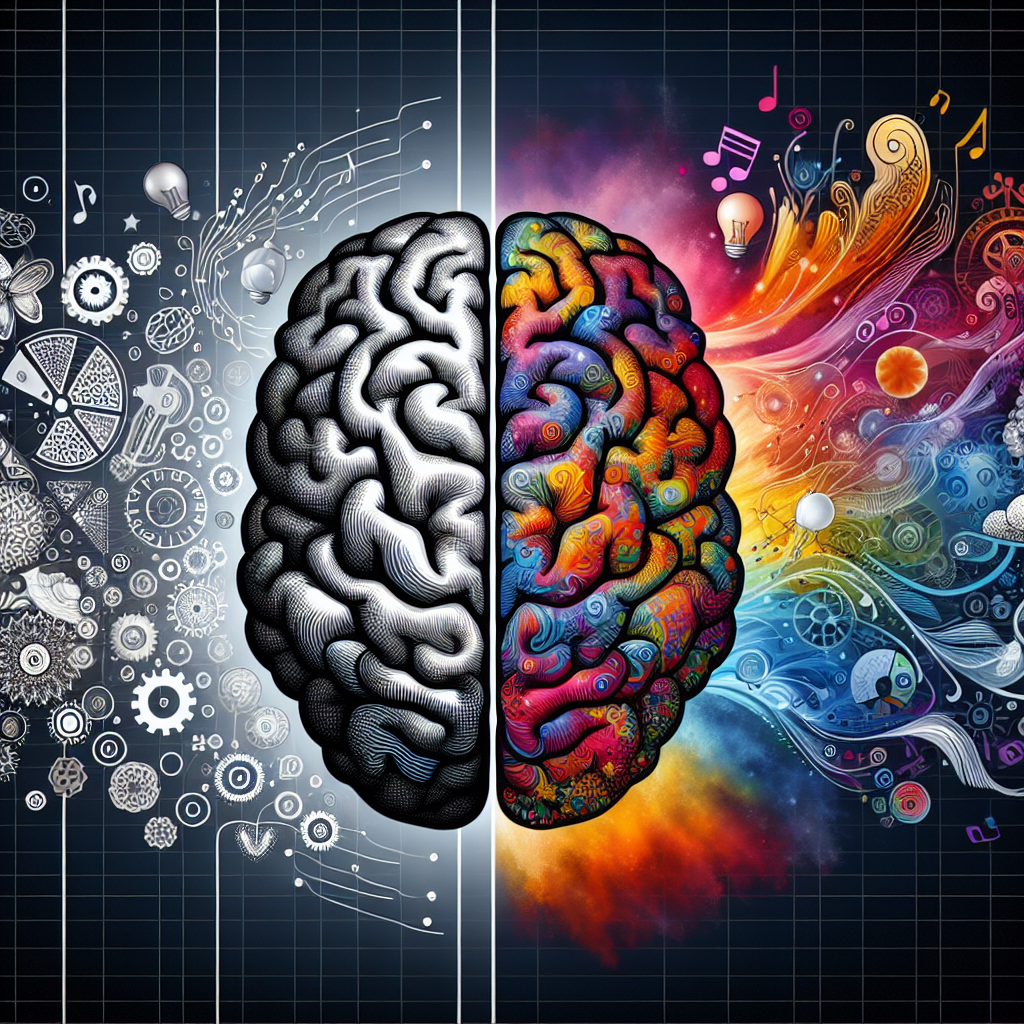
To understand how we can train our brains for creativity, we first need to look at how the brain functions. The human brain consists of two hemispheres – the left hemisphere and the right hemisphere. The left hemisphere is responsible for logical thinking while the right hemisphere controls our emotions and imagination.
In order for us to be truly creative, both hemispheres need to work together in harmony. This means that we cannot rely solely on one side of our brain if we want innovative ideas and solutions.
So how do we train our brains for creativity?
- Get out of your comfort zone: One way you can stimulate your mind and boost your creativity is by stepping out of your comfort zone. When you challenge yourself with new experiences or tasks that require different ways of thinking, you are essentially exercising your creative muscles.
- Meditate: Research has shown that meditation can increase our brain’s neuroplasticity, which is the ability to form new connections and pathways. By meditating regularly, we can enhance our cognitive flexibility and improve our creative thinking.
- Take breaks: Our brains need rest in order to function at their best. Taking short breaks throughout the day can help prevent mental fatigue and allow your mind to recharge. This can lead to a fresh perspective and more innovative ideas.
- Cultivate curiosity: Children are naturally curious, constantly asking questions and exploring their surroundings. As we grow older, this sense of curiosity tends to diminish. However, by actively seeking out new knowledge and experiences, we can reignite our curiosity and spark creativity.
- Jot down ideas: Many great ideas come when we least expect them – in the shower or during a walk in nature. To capture these moments of inspiration, it’s important to have a way of jotting down your thoughts as they come. Whether it’s carrying around a notebook or using note-taking apps on your phone, having an outlet for your ideas is crucial for nurturing creativity.
The role of dopamine in creativity
Dopamine is often referred to as the “feel-good” chemical because it plays a key role in motivation and reward-seeking behavior. But did you know that dopamine also plays a crucial role in creativity?
A study conducted by researchers at Vanderbilt University found that individuals with higher levels of dopamine were able to think more creatively than those with lower levels. This is because dopamine helps us stay focused on tasks while allowing us to make unexpected connections between seemingly unrelated things – an essential aspect of creative thinking.
The impact of environment on creativity
Aside from our brain chemistry, our environment also plays a significant role in our creativity. Research has shown that certain environments can enhance or hinder creative thinking.
A cluttered and chaotic workspace, for example, can be overwhelming and inhibit focus and concentration. On the other hand, a clean and organized space can promote calmness and clarity of mind – essential ingredients for creativity to flourish.
In addition to physical spaces, the people we surround ourselves with also have an impact on our creativity. Being around like-minded individuals who support and encourage us can boost our confidence and inspire new ideas. Conversely, negative or critical individuals may stifle our creativity by creating self-doubt.
Author’s note:
I personally believe that everyone has the potential to be creative in their own unique way. By understanding how our brains work when it comes to creativity, we can actively train ourselves to think differently and tap into this powerful skill.
The bottom line
Creativity is not just limited to artists or writers – it is a skill that anyone can develop with practice. By stepping out of your comfort zone, cultivating curiosity, taking breaks when needed, surrounding yourself with positive influences, and understanding the role of dopamine in creative thinking – you too can train your brain to think differently.
- Step out of your comfort zone: Challenge yourself with new experiences or tasks that require different ways of thinking.
- Cultivate curiosity: Actively seek out new knowledge and experiences.
- Take breaks: Give your brain time to rest so it can recharge.
- Surround yourself with positivity: Be around supportive individuals who inspire you.
- Maintain a clean and organized space: A clutter-free environment can promote calmness and clarity of mind.
- Understand the role of dopamine in creativity: Dopamine helps us stay focused while making unexpected connections between ideas.
With these tips, you can train your brain to think differently and unlock your full creative potential. So go out there, try new things, and let your imagination run wild!