
-
Table of Contents
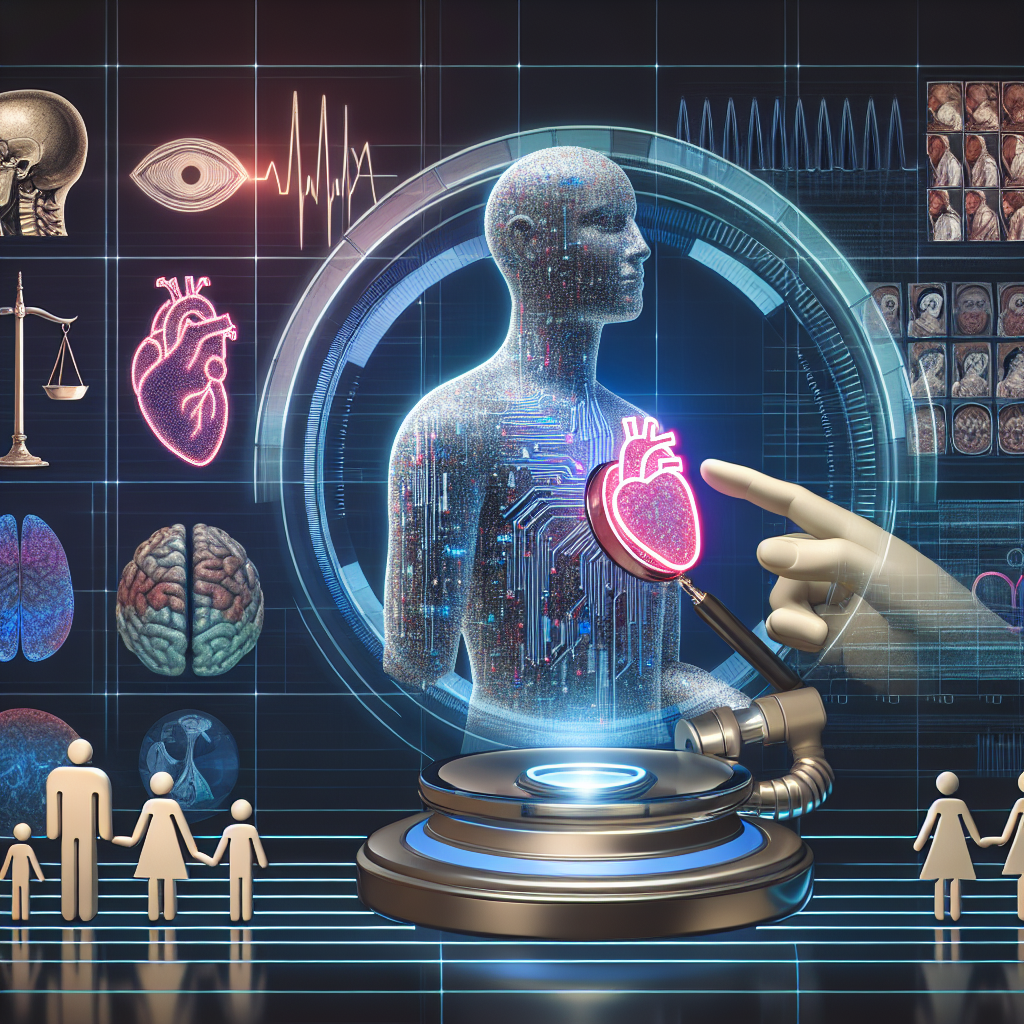
The Role of Ethical AI in Medical Diagnostics and Patient Trust

Artificial Intelligence (AI) has become an integral part of modern medicine, particularly in the field of medical diagnostics. With its ability to analyze vast amounts of data and identify patterns that may not be easily recognizable by humans, AI has greatly improved the accuracy and efficiency of diagnosing various medical conditions. However, as with any technology, there are ethical considerations that must be addressed when implementing AI in healthcare. In this article, we will explore the role of ethical AI in medical diagnostics and how it impacts patient trust.
What is Ethical AI?
Ethical AI refers to the development and use of artificial intelligence systems that adhere to moral principles such as fairness, transparency, accountability, and privacy. These principles ensure that AI algorithms do not perpetuate biases or discriminate against certain individuals or groups. It also means that decisions made by these systems can be explained and justified.
- Fairness: One crucial aspect of ethical AI is fairness. This means ensuring that all individuals have equal opportunities regardless
race,
gender,
age,
socio-economic status. - Transparency: Transparency involves making sure that the decision-making process behind an algorithm’s recommendations can be understood by humans.
- Accountability: Accountability ensures that those responsible for developing and deploying an AI system are held accountable for its actions.
- Privacy: Protecting patients’ personal information is essential when using any technology in healthcare, including AI.
The Benefits of Ethical AI in Medical Diagnostics
Implementing ethical principles in the development and use of AI systems for medical diagnostics has several benefits:
- Improved Accuracy: By eliminating biases and ensuring fairness, ethical AI can improve the accuracy of diagnoses. This means that patients will receive more accurate treatment recommendations based on their specific condition rather than any preconceived notions or stereotypes.
- Faster Diagnosis: With its ability to analyze vast amounts of data quickly, AI can significantly reduce the time it takes to diagnose a medical condition. This can be crucial in emergency situations where every minute counts.
- Better Resource Allocation: By accurately identifying medical conditions, ethical AI can help allocate resources more efficiently. This includes determining which patients require urgent care and which ones can wait for treatment.
- Patient Empowerment: When patients trust that they are receiving fair and transparent diagnoses from an accountable system, they feel empowered to take control of their health decisions.
As someone who works with both artificial intelligence and patient care on a daily basis, I have seen firsthand the impact ethical AI has on improving patient outcomes while maintaining trust between doctors and patients. Now let’s dive deeper into how this translates into medical diagnostics specifically.
Ethical Considerations in Medical Diagnostics
The implementation of ethical principles becomes even more critical when using AI for medical diagnostics as it directly impacts a person’s health and well-being. Here are some key considerations when using AI in this context:
- Data Collection and Bias: AI systems rely on data to make decisions, and if the data is biased, it can lead to incorrect diagnoses. It is essential to ensure that the training data used for these systems are diverse and representative of the population.
- Human Oversight: While AI may be more accurate than humans in diagnosing certain conditions, there should always be a human involved in overseeing its recommendations. This not only provides an extra layer of safety but also ensures accountability.
- Informed Consent: Patients have the right to know when their diagnosis or treatment plan involves the use of AI. They must understand how this technology works and what potential risks or limitations it may have.
The Impact on Patient Trust
Patient trust is crucial in healthcare as it forms the foundation of a positive doctor-patient relationship. When implementing ethical AI in medical diagnostics, patient trust can either be strengthened or weakened depending on how well these principles are adhered to.
If patients feel that their personal information is being protected, that they are receiving fair diagnoses based on transparent algorithms, and that there is human oversight involved, they will likely trust both their doctors and the technology being used. On the other hand, if patients perceive biases or lack transparency in how AI makes decisions about their health, it can erode their trust in both doctors and technology.
This highlights why it is crucial for healthcare professionals to prioritize ethical considerations when implementing AI into medical diagnostics – not only for better patient outcomes but also for maintaining patient trust.
In Conclusion
Ethical AI has revolutionized medical diagnostics by improving accuracy, efficiency, and resource allocation. However, it is essential to ensure that these systems are developed and used ethically to maintain patient trust. By adhering to principles of fairness, transparency, accountability, and privacy in AI development for medical diagnostics, we can continue to reap the benefits of this technology while building a stronger doctor-patient relationship based on trust.