
-
Table of Contents
How climate-adaptive architecture is shaping coastal cities in 2025
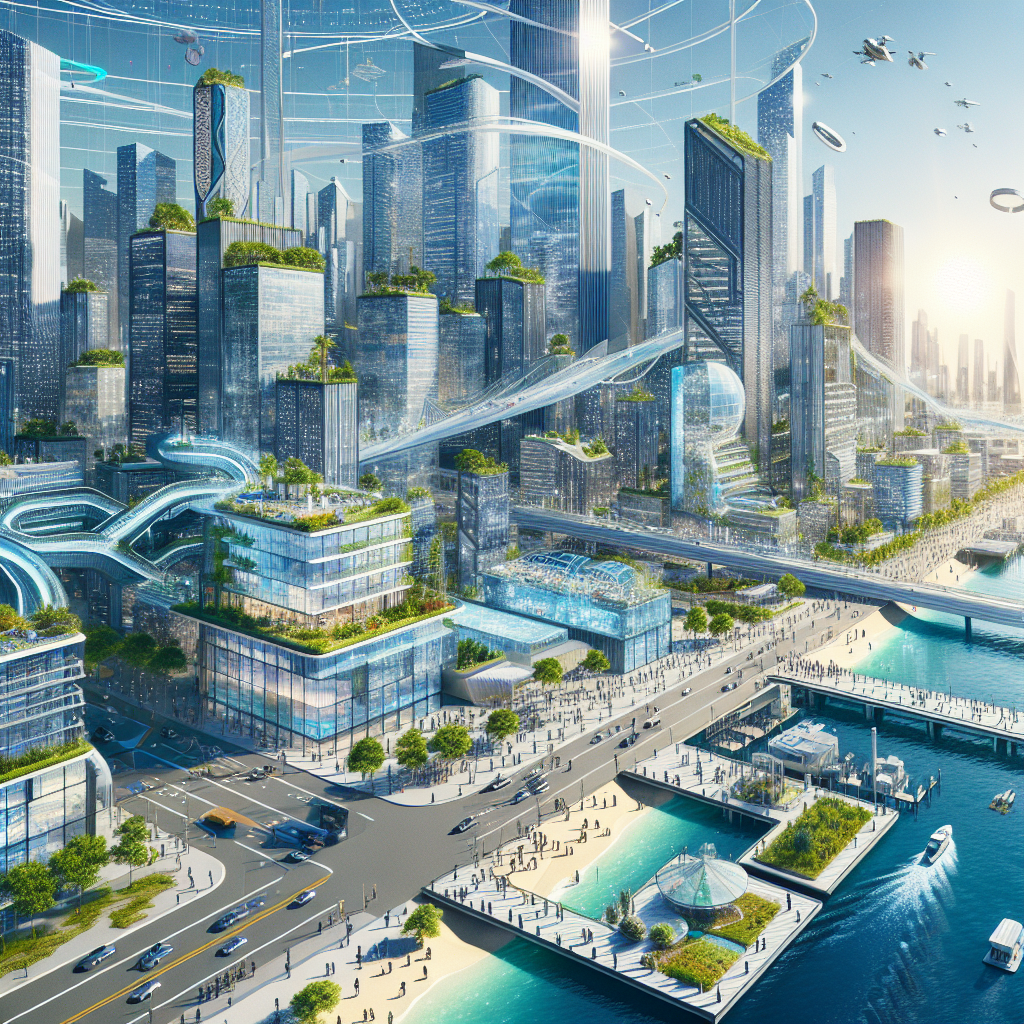
In recent years, the world has seen an increase in extreme weather events such as hurricanes, floods, and wildfires. These events have highlighted the urgent need for cities to adapt to changing climatic conditions. Coastal cities are particularly vulnerable to these changes, with rising sea levels and stronger storms threatening their very existence. As a result, architects and urban planners have been forced to rethink traditional design methods and embrace new strategies that prioritize resilience and sustainability.
The role of climate-adaptive architecture
Climate-adaptive architecture refers to designing buildings and structures that can withstand or even benefit from changing environmental conditions. In the context of coastal cities, this means creating structures that can resist flooding, strong winds, erosion, and other challenges posed by a changing climate.
This approach involves several key principles:
- Sustainable materials: Climate-adaptive buildings use environmentally friendly materials that are both durable and resilient. This includes using recycled or locally sourced materials whenever possible.
- Elevated foundations: To mitigate against flooding caused by storm surges or rising sea levels, many coastal buildings now feature elevated foundations that raise them above ground level.
- Ventilation systems: With temperatures on the rise due to global warming, ventilation systems play a crucial role in keeping indoor spaces cool without relying on energy-intensive air conditioning units.
- Natural light optimization: By maximizing natural light through strategic placement of windows and skylights, climate-adaptive buildings reduce reliance on artificial lighting while also reducing heat gain during warmer months.
- Rooftop gardens: Another popular trend in climate-adaptive design is the incorporation of rooftop gardens, which not only provide green spaces in urban areas but also help absorb excess rainwater and reduce heat absorption.
- Flexible design: Climate-adaptive buildings are designed with flexibility in mind, allowing them to adapt to changing conditions over time. This may include features such as movable walls or modular designs that can be easily modified or expanded as needed.
The impact on coastal cities
The implementation of climate-adaptive architecture has had a significant impact on coastal cities around the world. Here are just a few examples:
Miami, Florida
Miami is one of the most vulnerable cities when it comes to rising sea levels. In response, architects have been incorporating elevated foundations and other flood-resistant features into new developments. Additionally, existing buildings have been retrofitted with storm shutters and waterproof barriers to protect against strong winds and flooding.
Tokyo, Japan
Tokyo has long been at risk for typhoons and earthquakes, but recent years have seen an increase in both frequency and intensity of these events due to climate change. As a result, architects have focused on creating earthquake-resistant structures while also incorporating features such as green roofs and rainwater harvesting systems to mitigate against heavy rainfall during typhoons.
Copenhagen, Denmark
Copenhagen is often cited as a leader in sustainable design practices. The city’s waterfront development projects prioritize resilience by incorporating raised pathways and underground parking garages that can double as reservoirs during floods. Buildings also feature energy-efficient designs that reduce reliance on fossil fuels.
I’ve personally witnessed the effects of extreme weather events on my own city’s coastline. It’s inspiring to see how innovative architectural solutions are being used to address these challenges and create more resilient communities.
The future of climate-adaptive architecture
As we look towards the year 2025, it is clear that climate-adaptive architecture will continue to play a crucial role in shaping coastal cities. Here are some potential developments we can expect to see:
- Integration with technology: With advancements in technology, buildings may soon be equipped with sensors and other devices that can monitor weather conditions and adjust accordingly. This could include automatically closing flood barriers or adjusting ventilation systems based on temperature and humidity levels.
- Incorporation of green infrastructure: In addition to rooftop gardens, we may see an increase in the use of green walls, rain gardens, and other forms of natural infrastructure to help mitigate against flooding while also providing additional benefits such as improved air quality.
- Multifunctional design: As urban areas become more densely populated, architects will need to find ways to maximize space while still prioritizing resilience. This may lead to more multifunctional designs that serve multiple purposes such as combining housing with stormwater management systems.
In conclusion
The impact of climate change on our planet cannot be ignored, especially when it comes to coastal cities. However, through innovative thinking and the implementation of climate-adaptive architecture principles, we can create more resilient communities that are better equipped for whatever challenges lie ahead. It is up to us as architects and urban planners to continue pushing the boundaries and finding new ways to adapt our built environment for a changing world.
I hope this article has shed some light on how climate-adaptive architecture is already shaping coastal cities today and what we can expect in the near future. Let’s work together towards creating a sustainable and resilient future for our coastal communities.